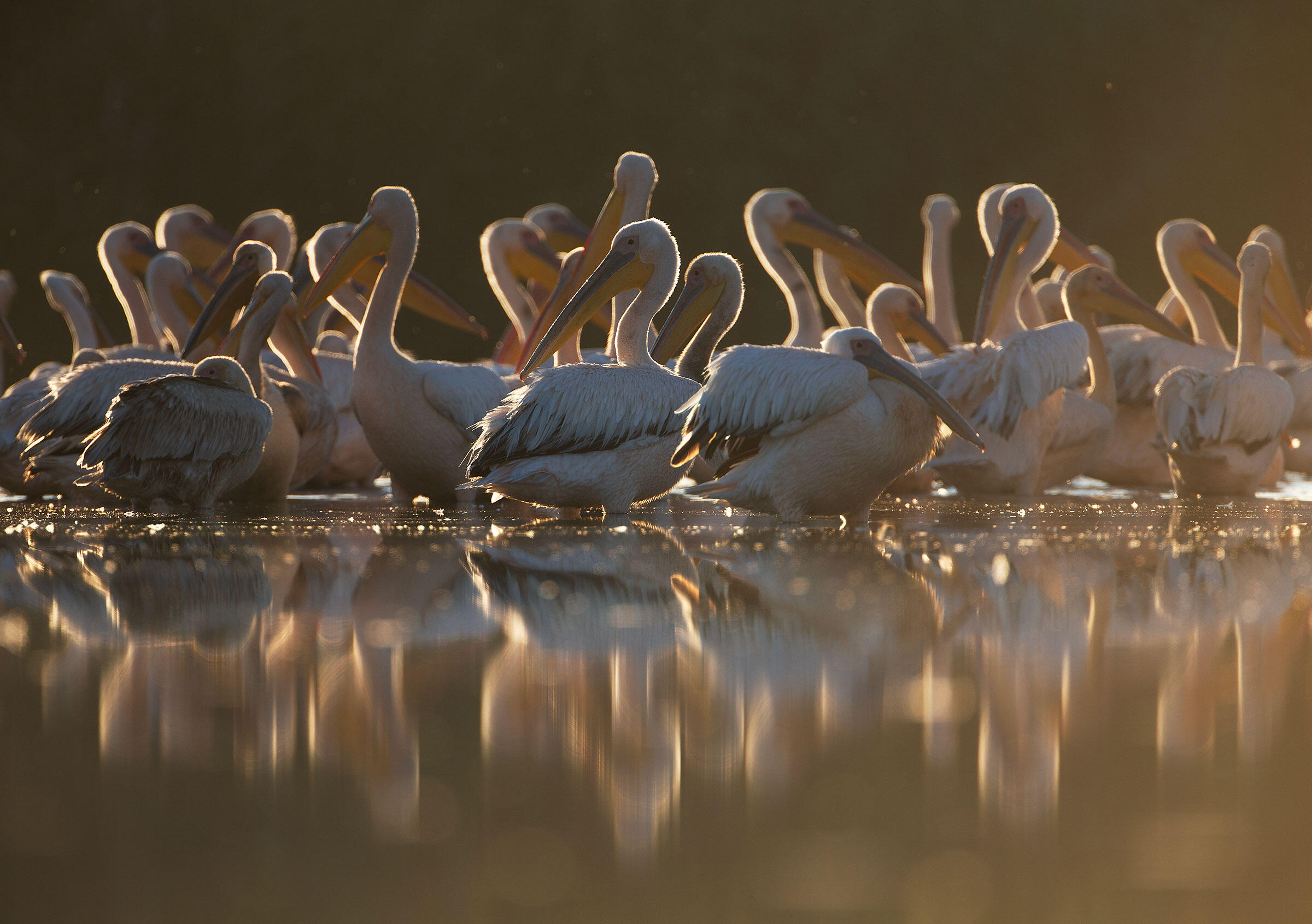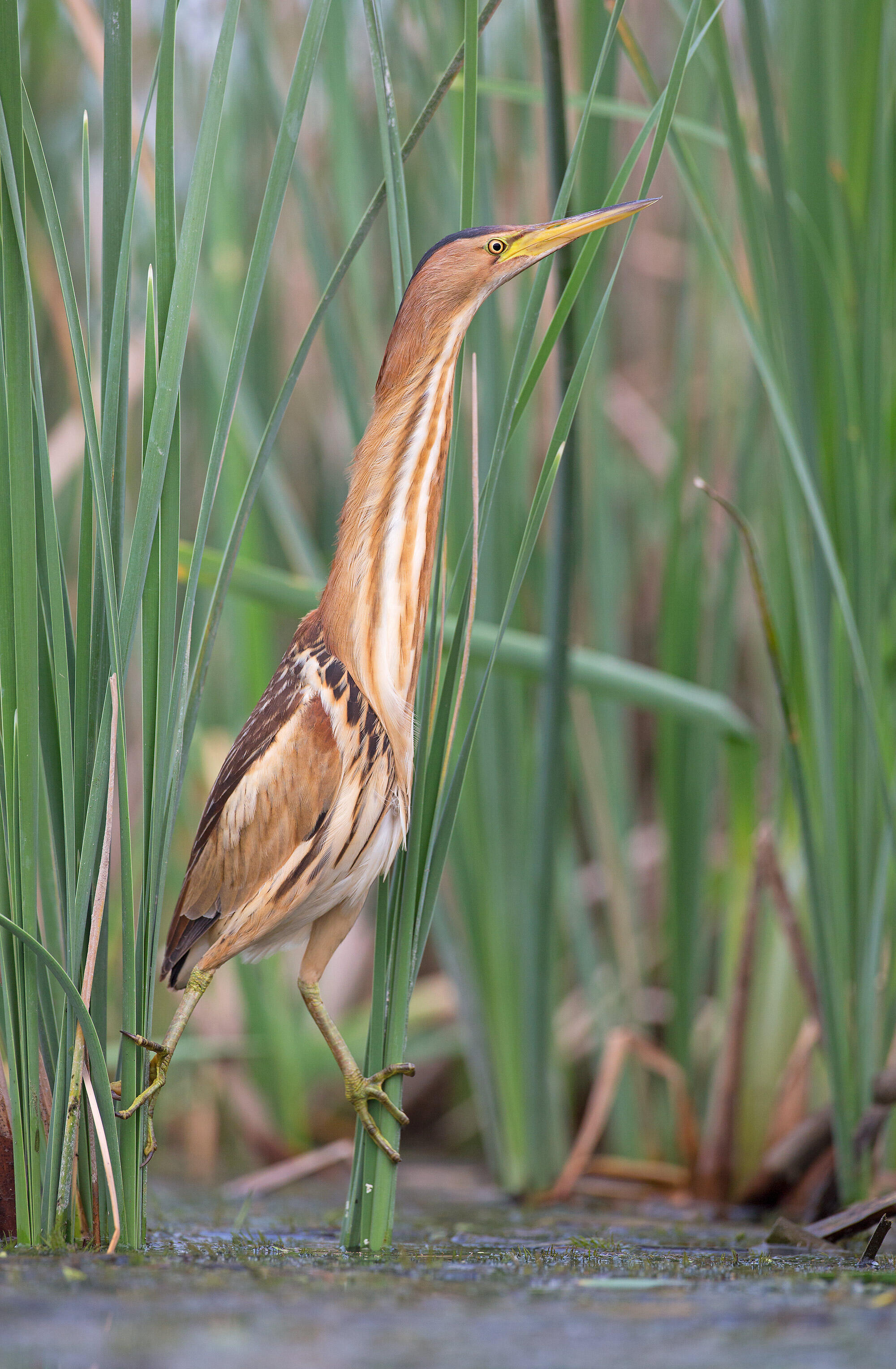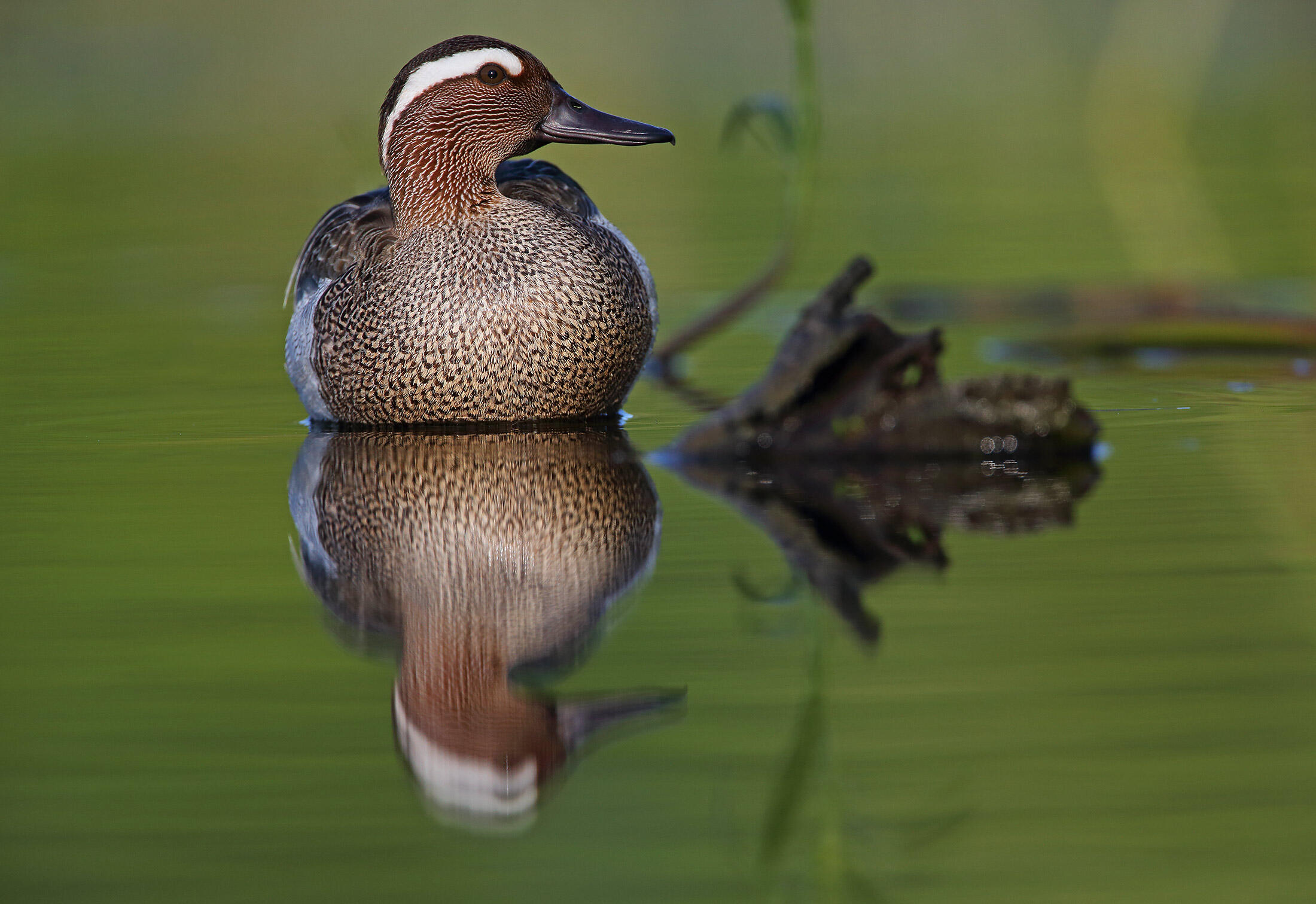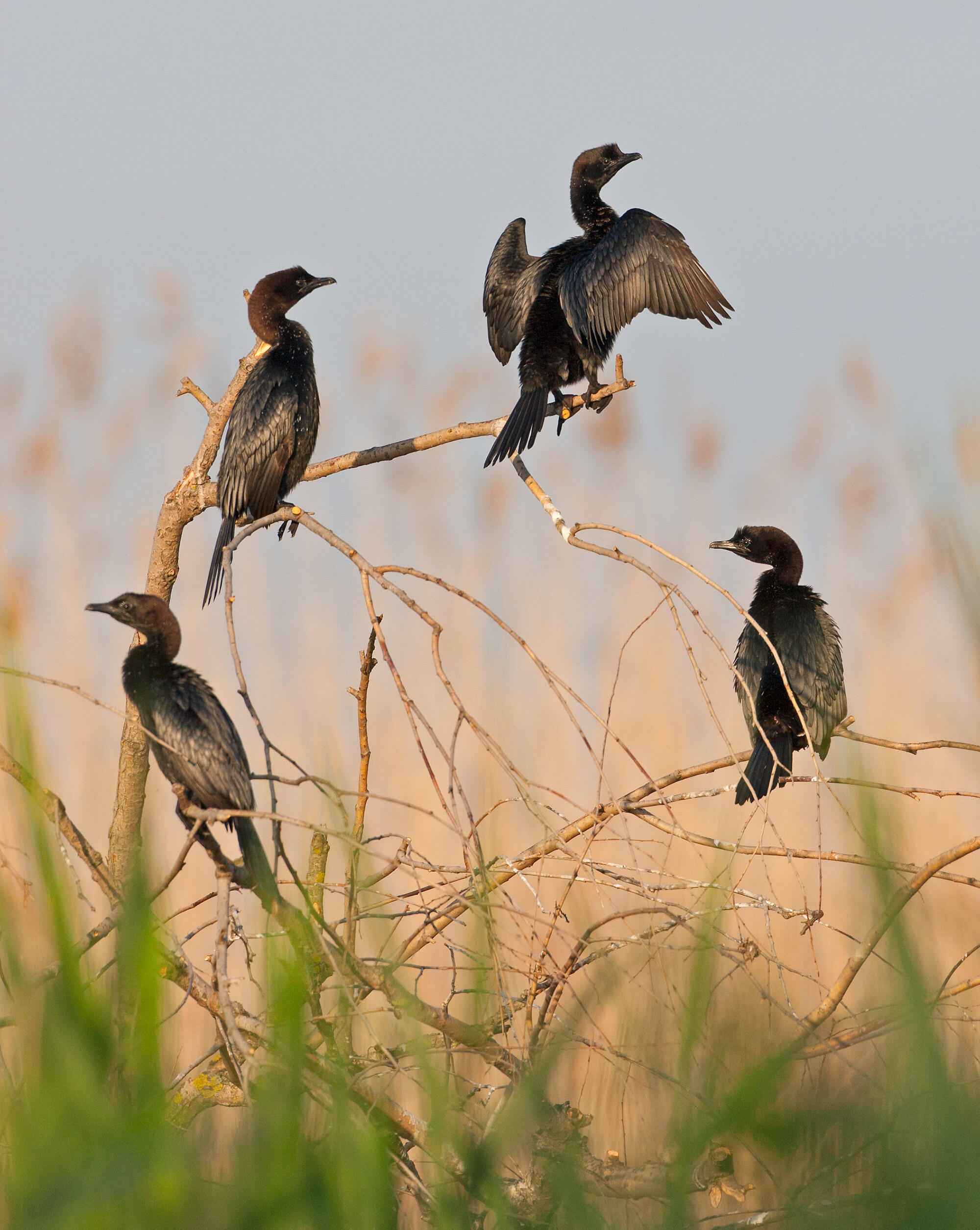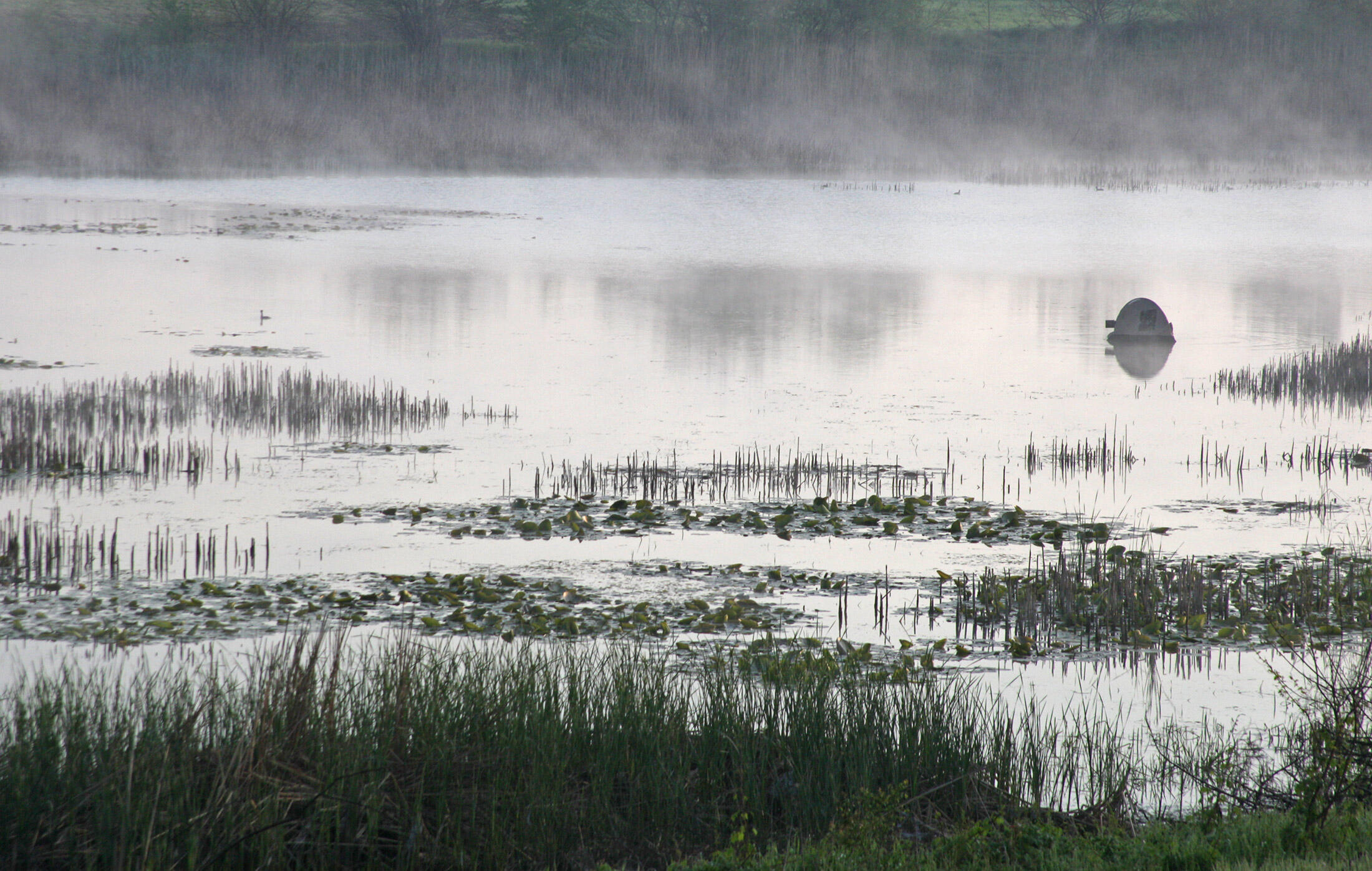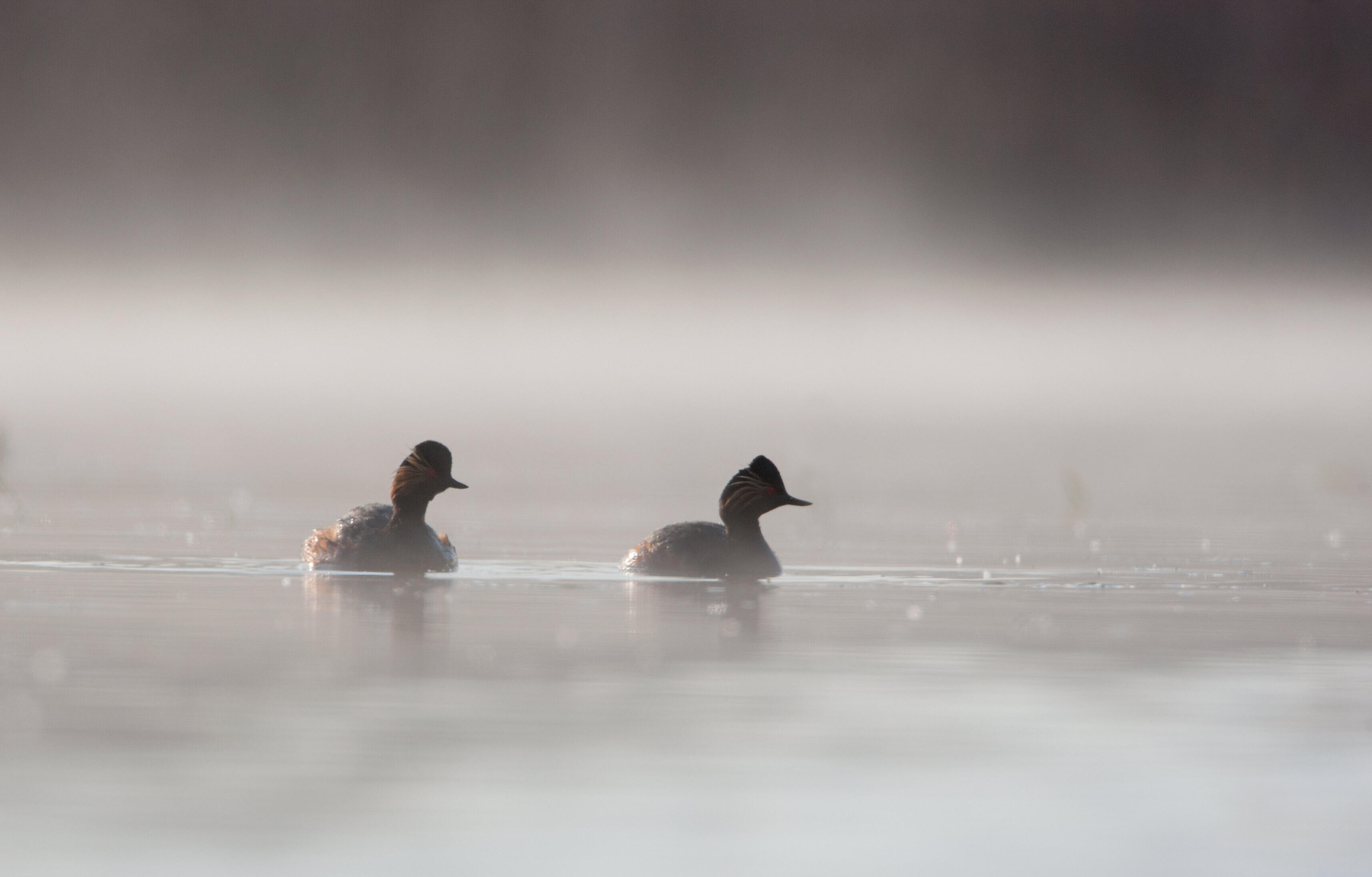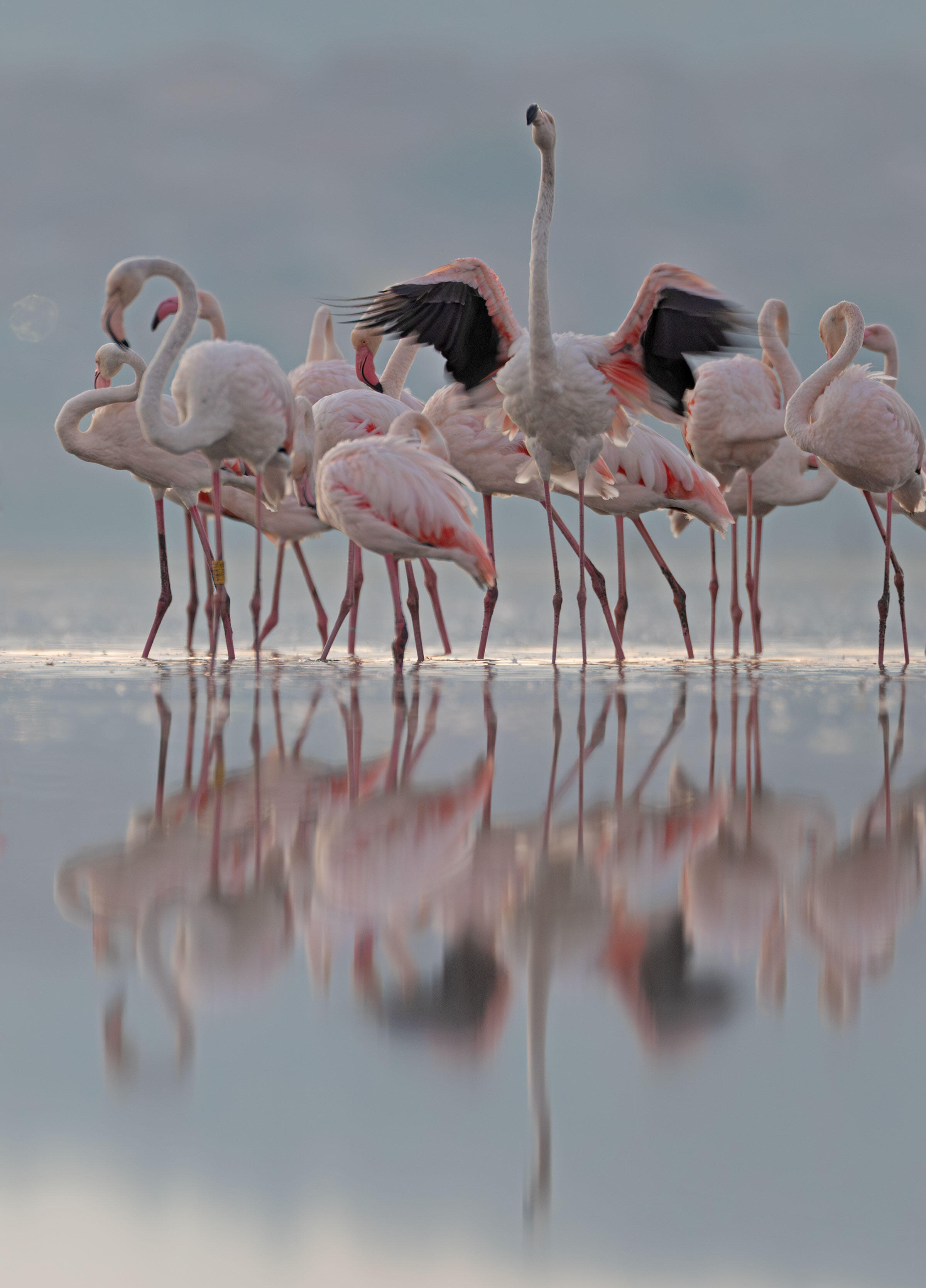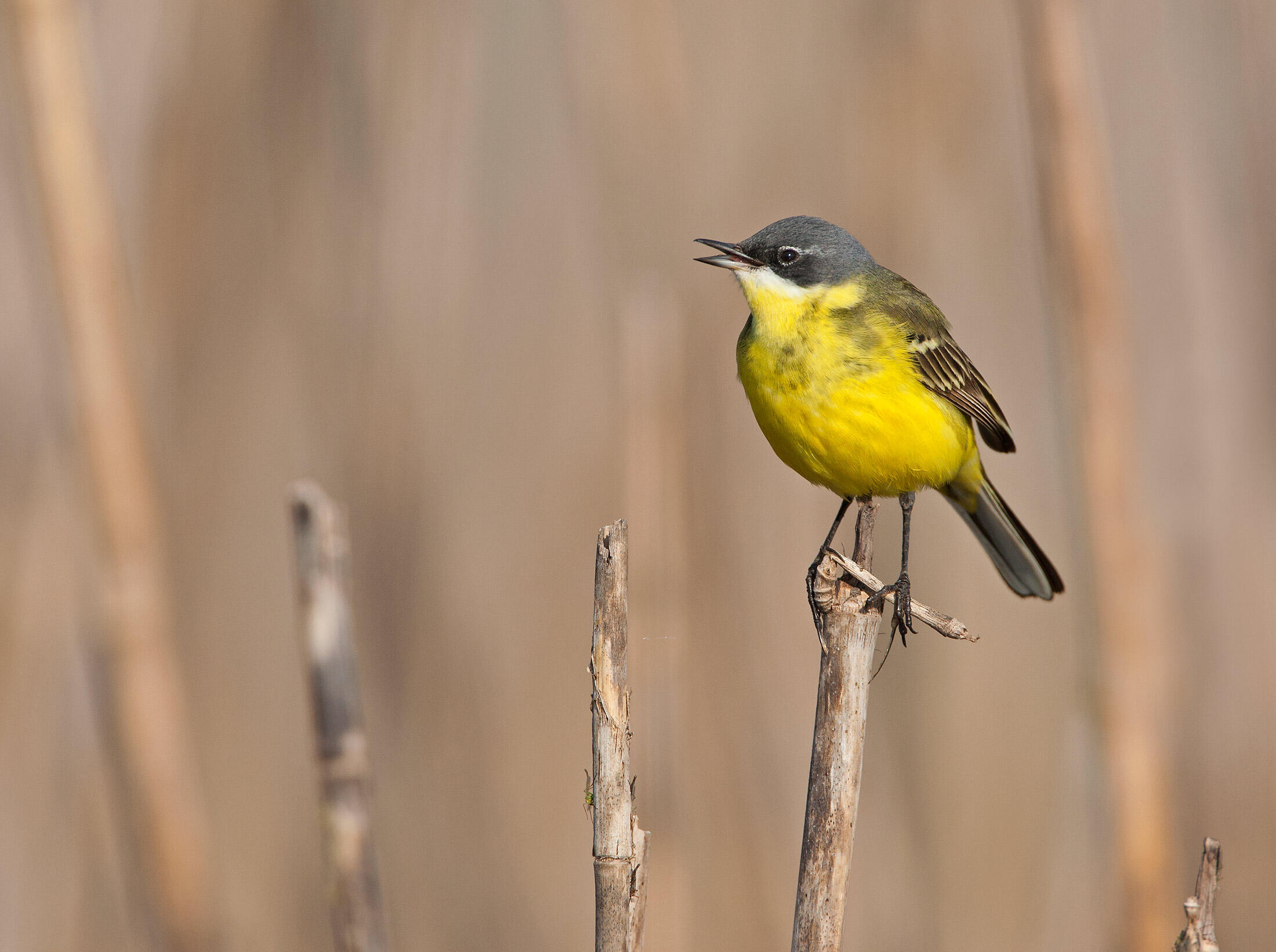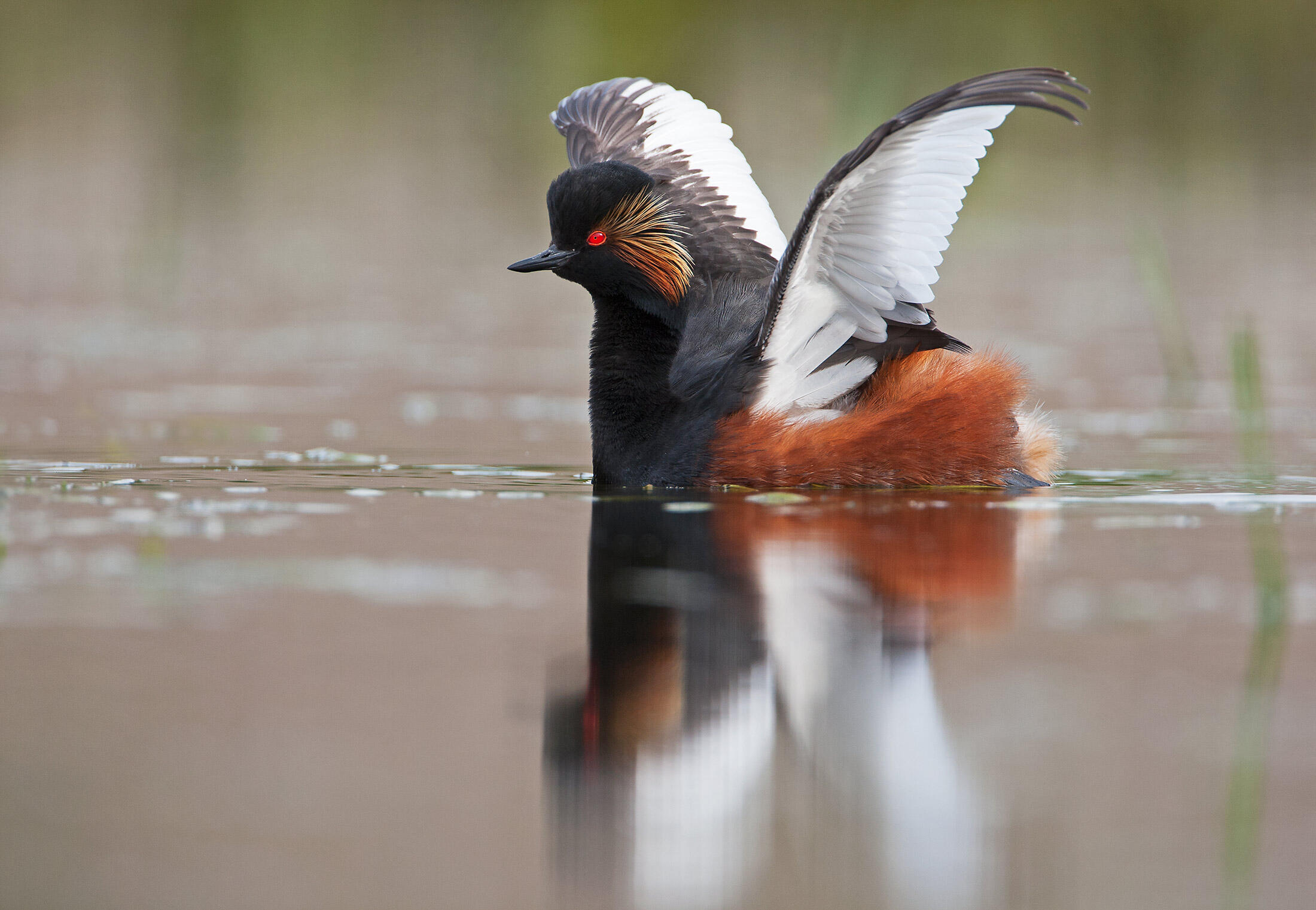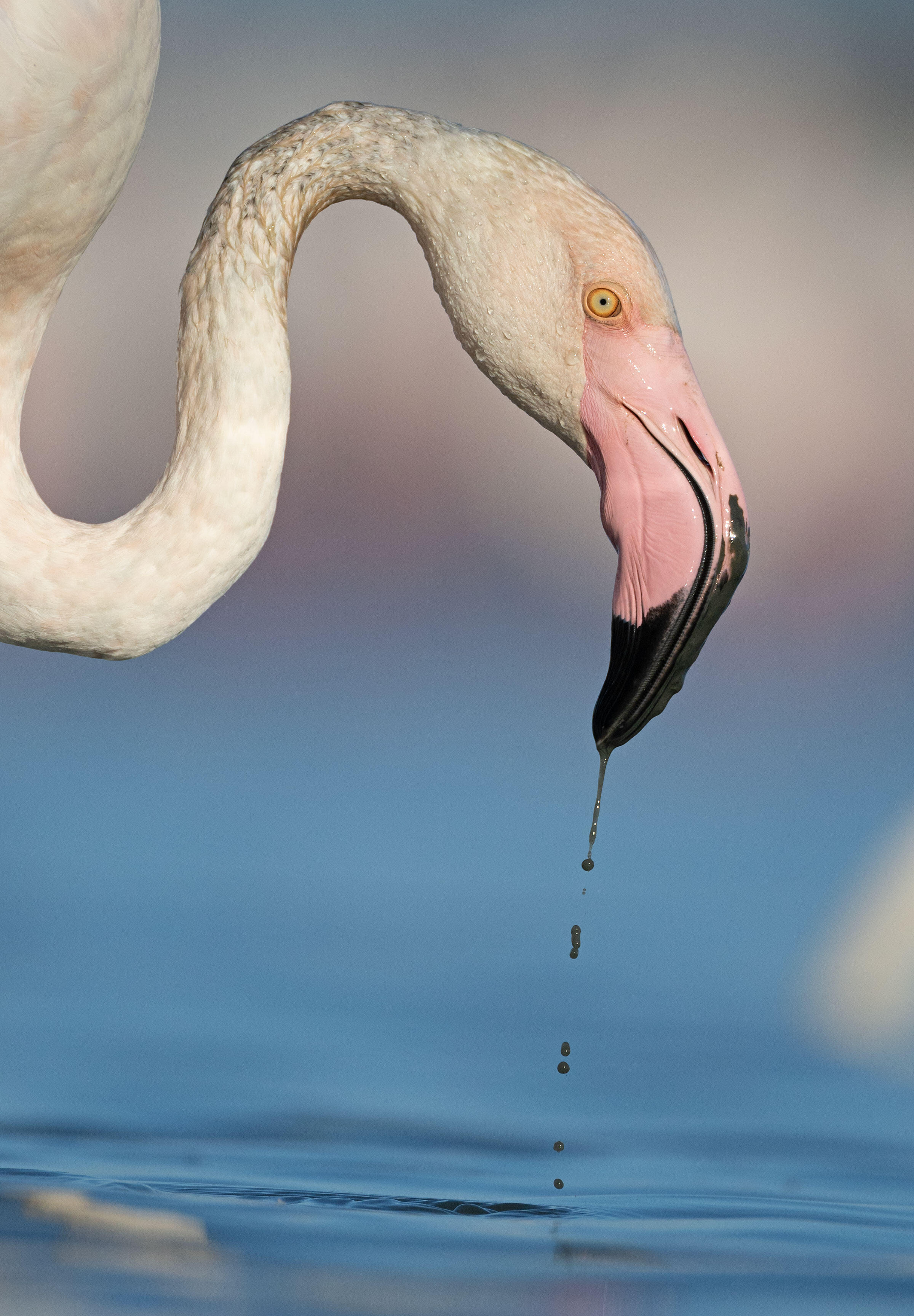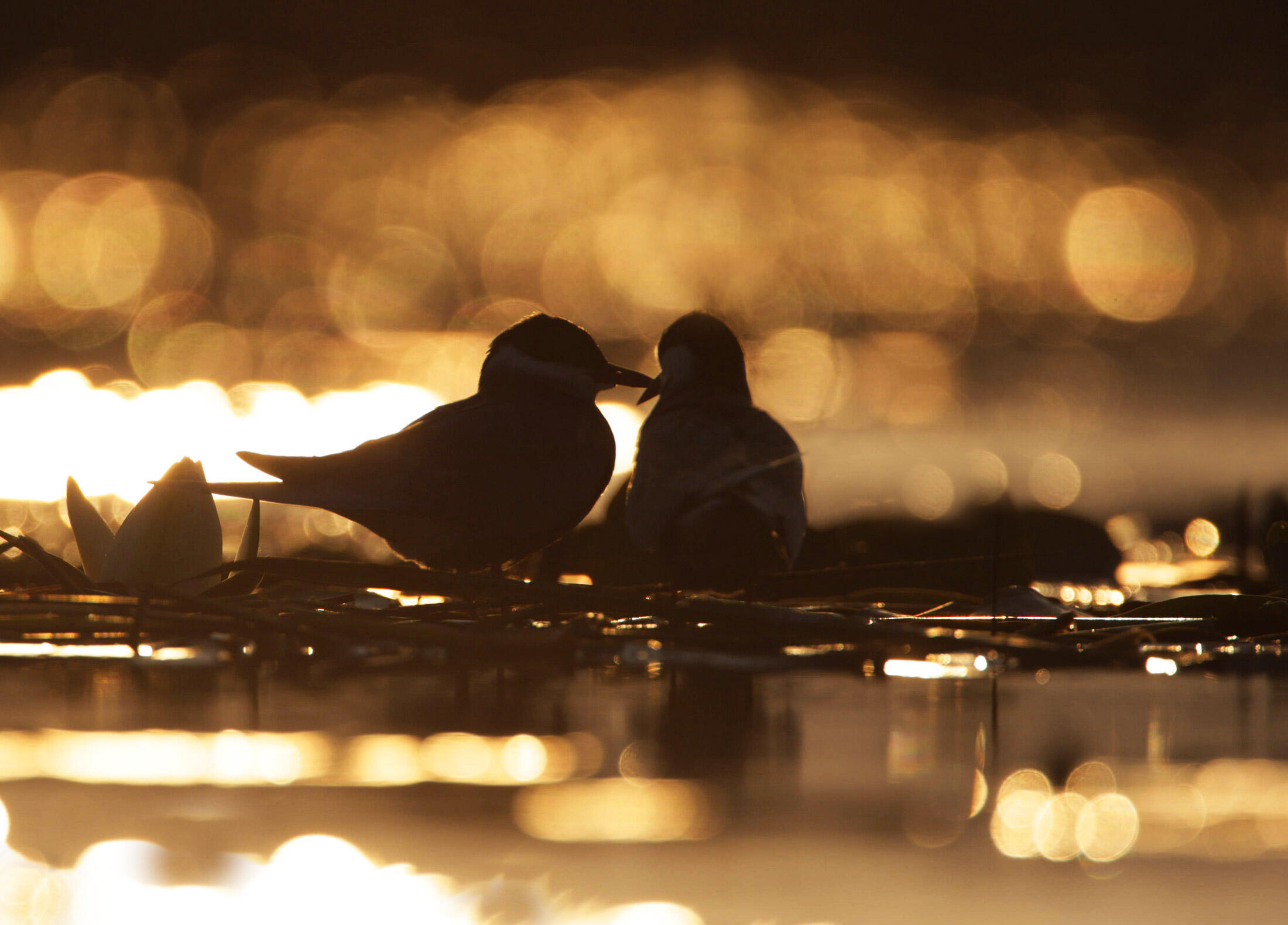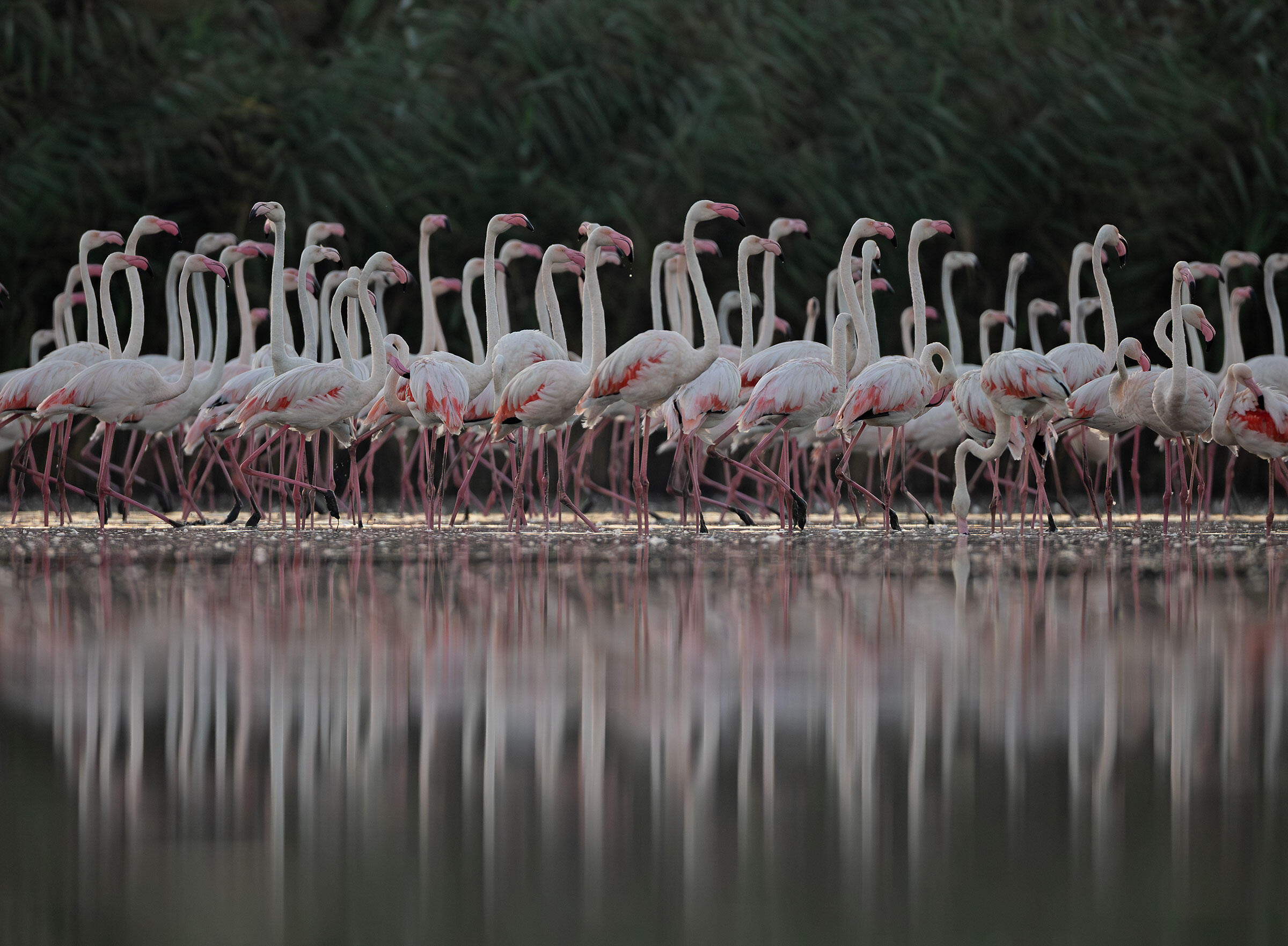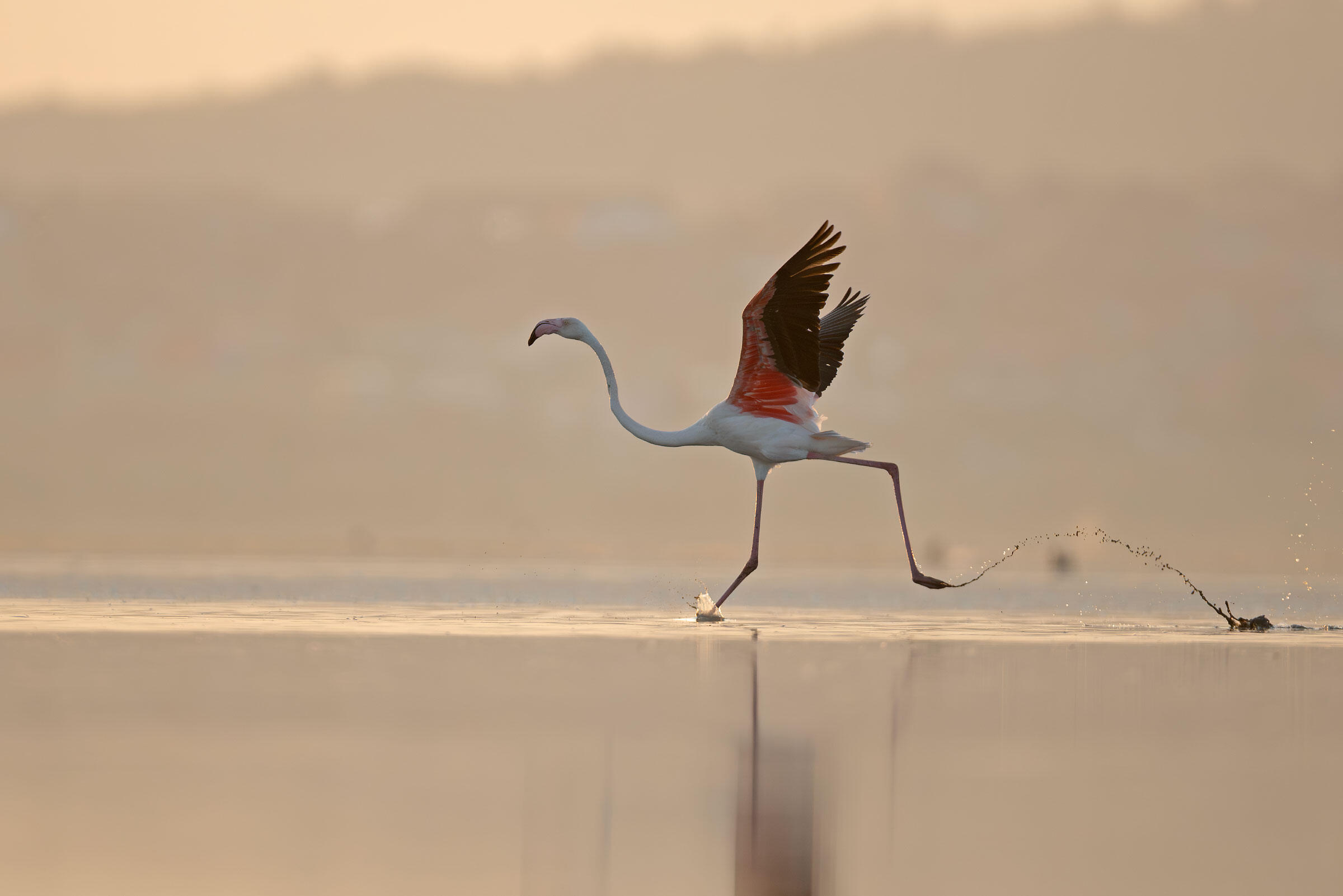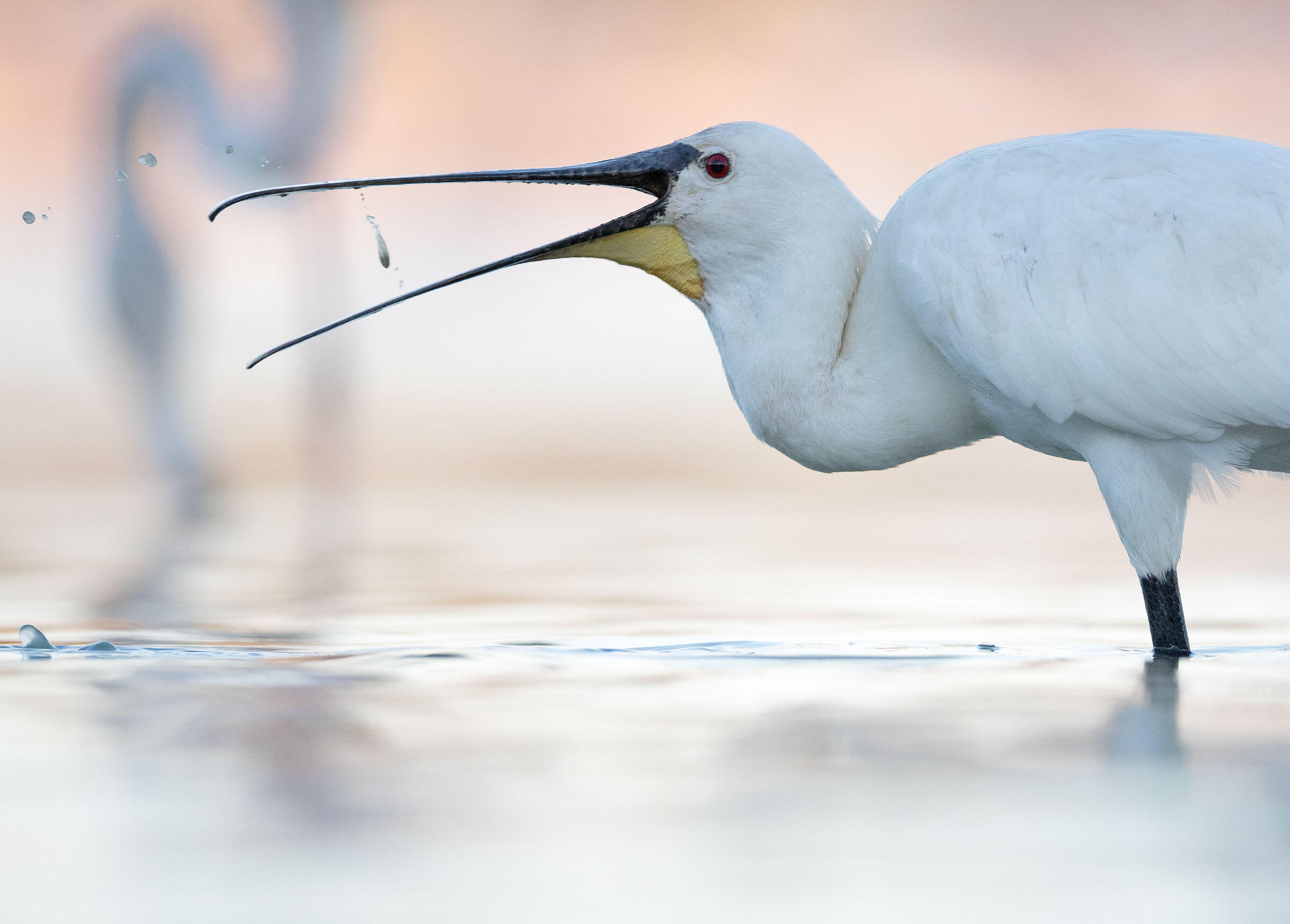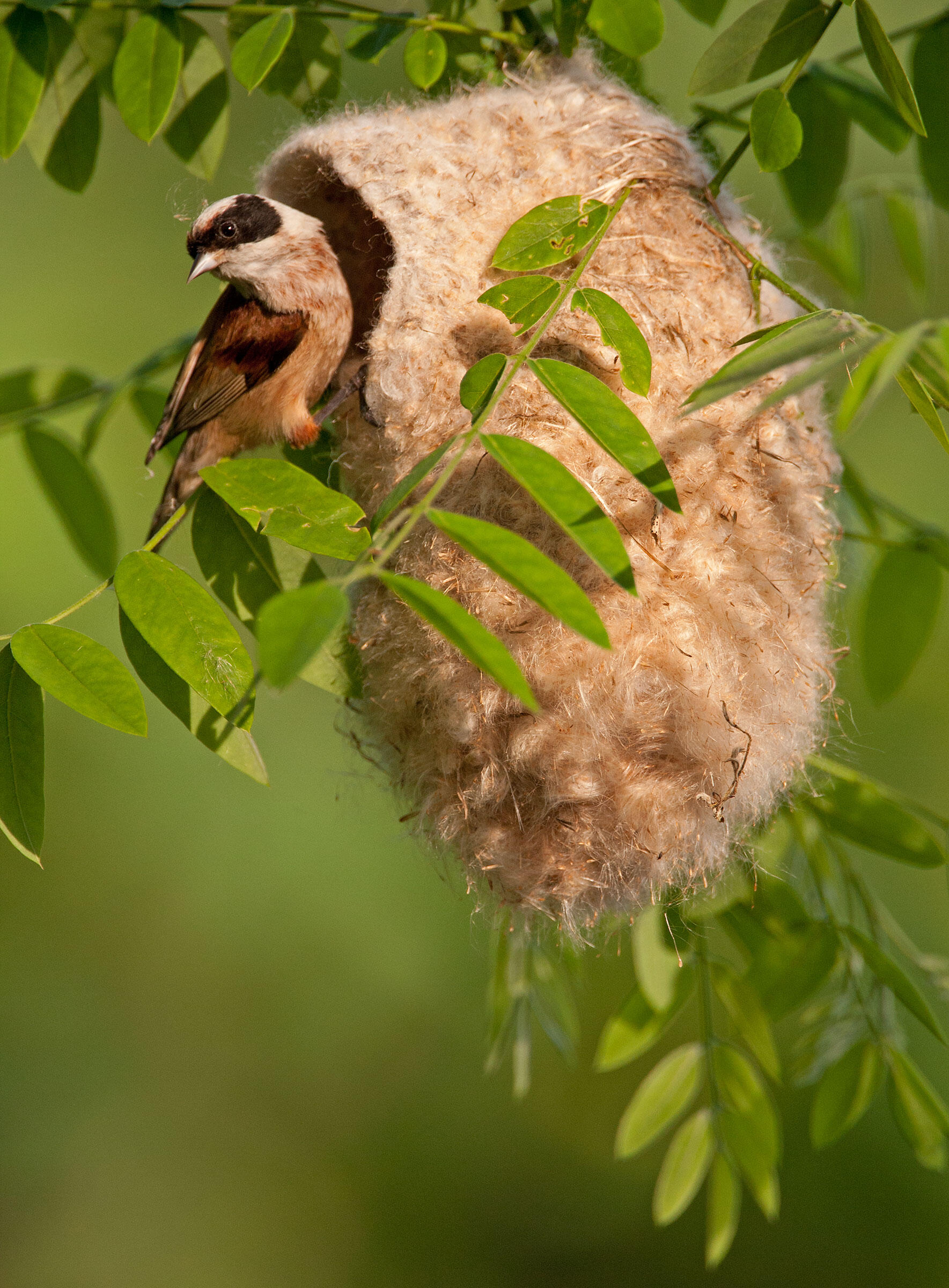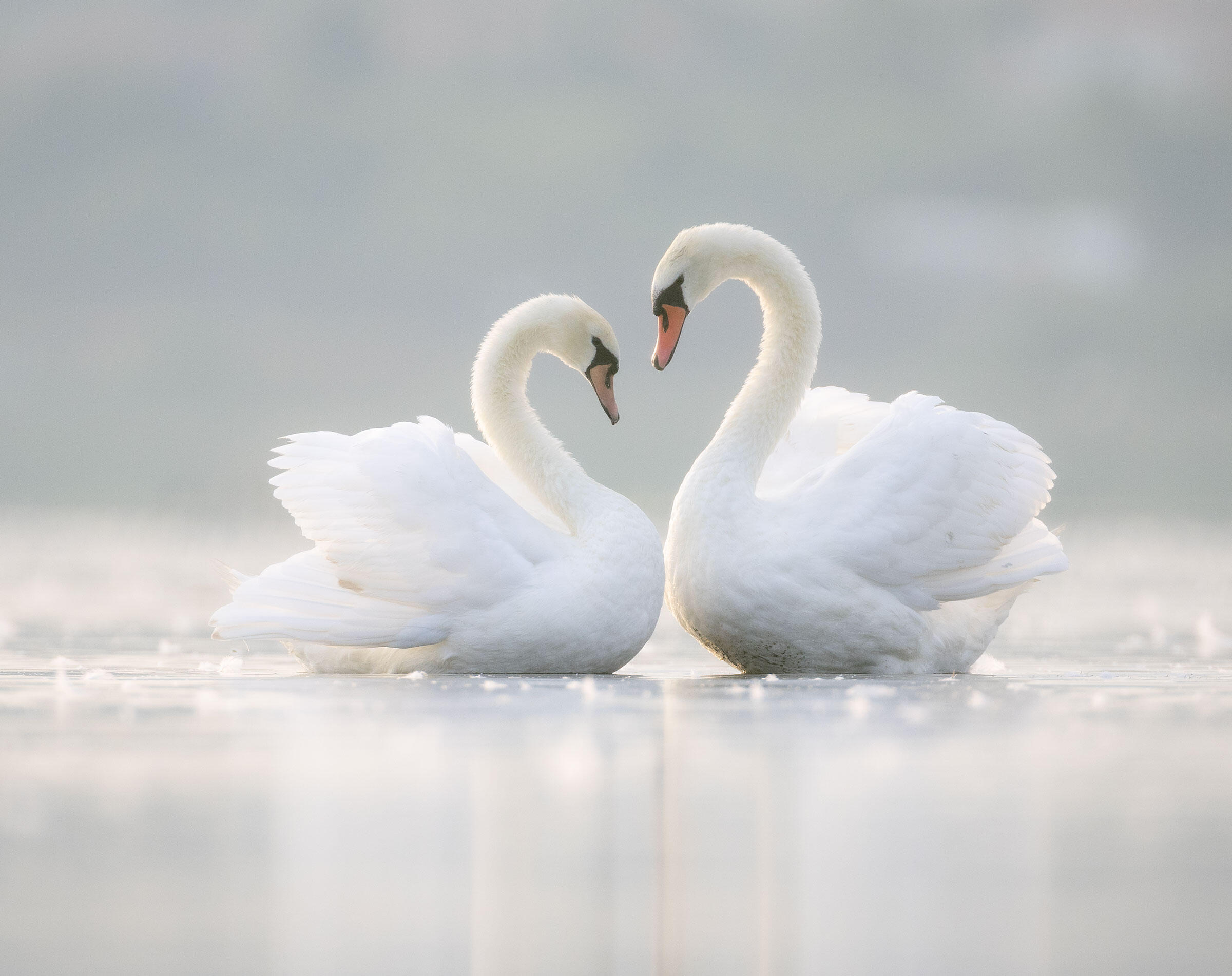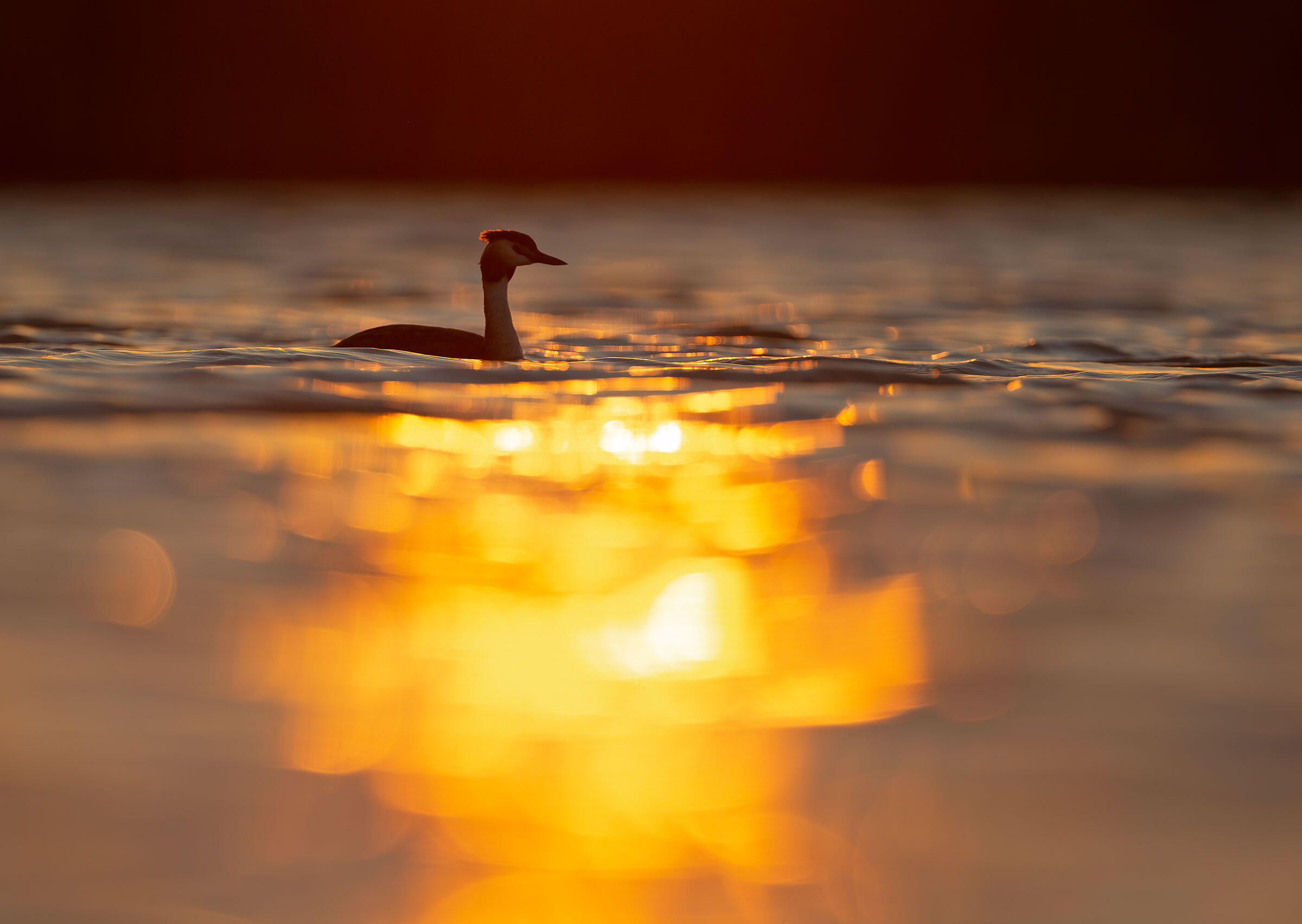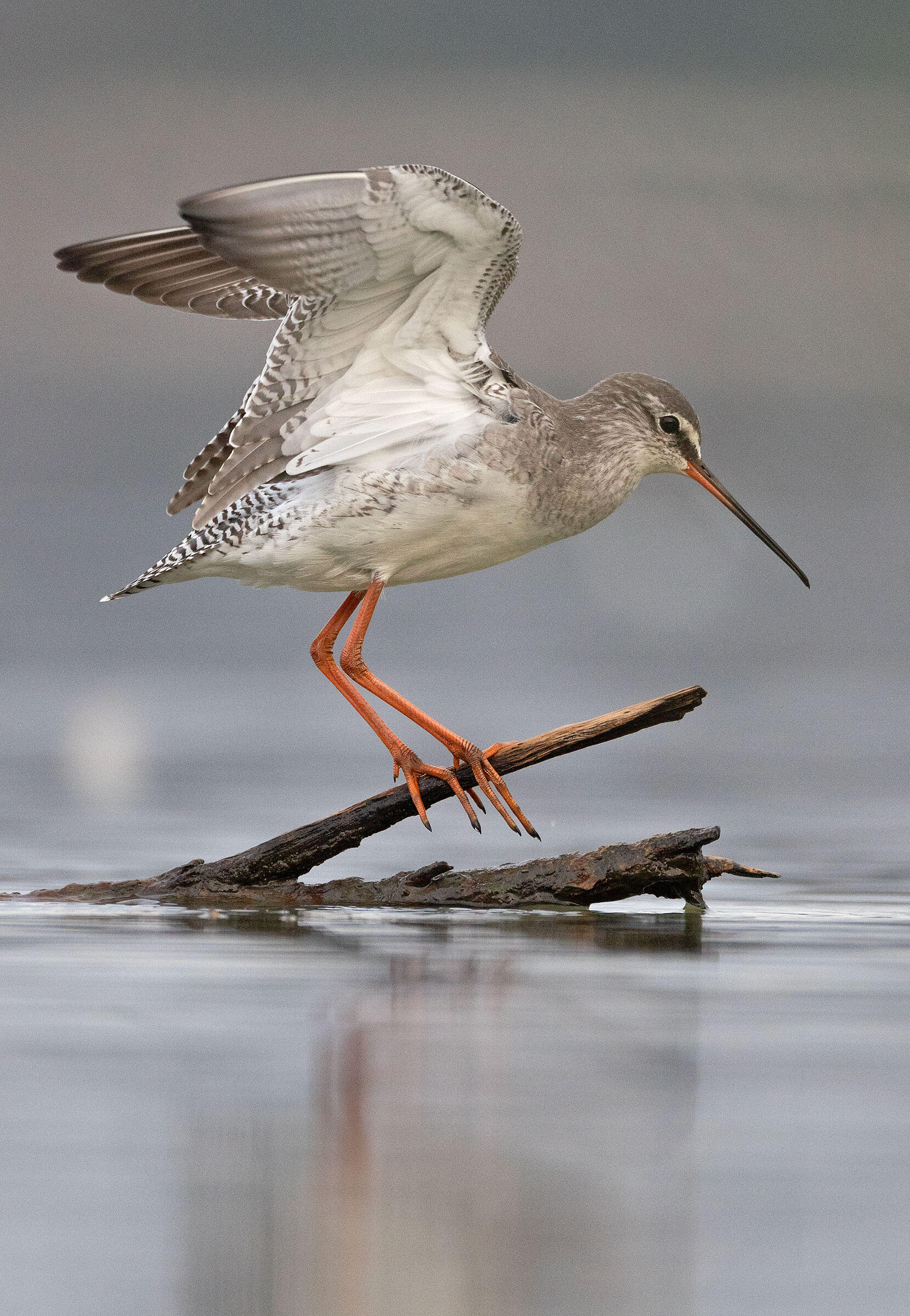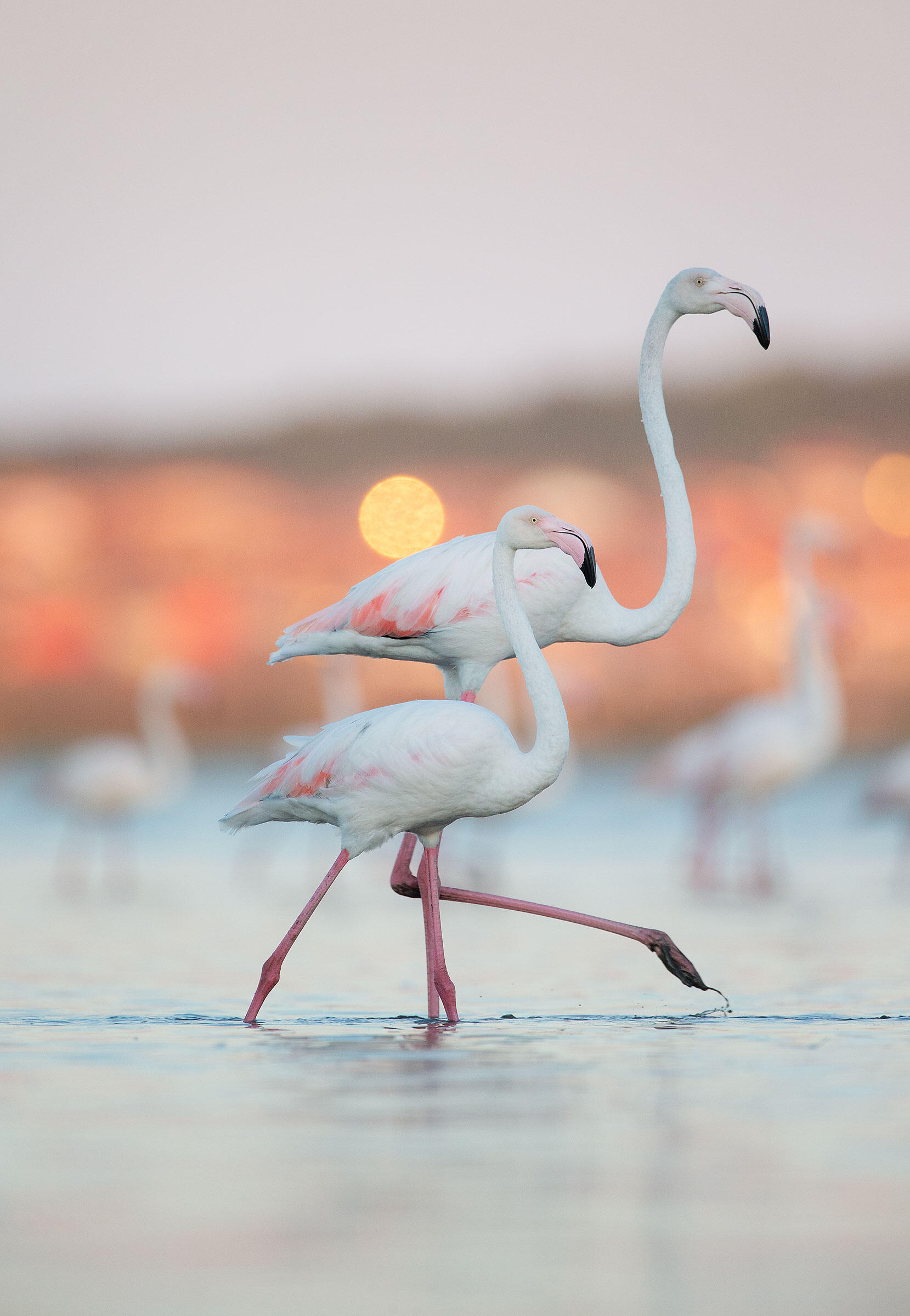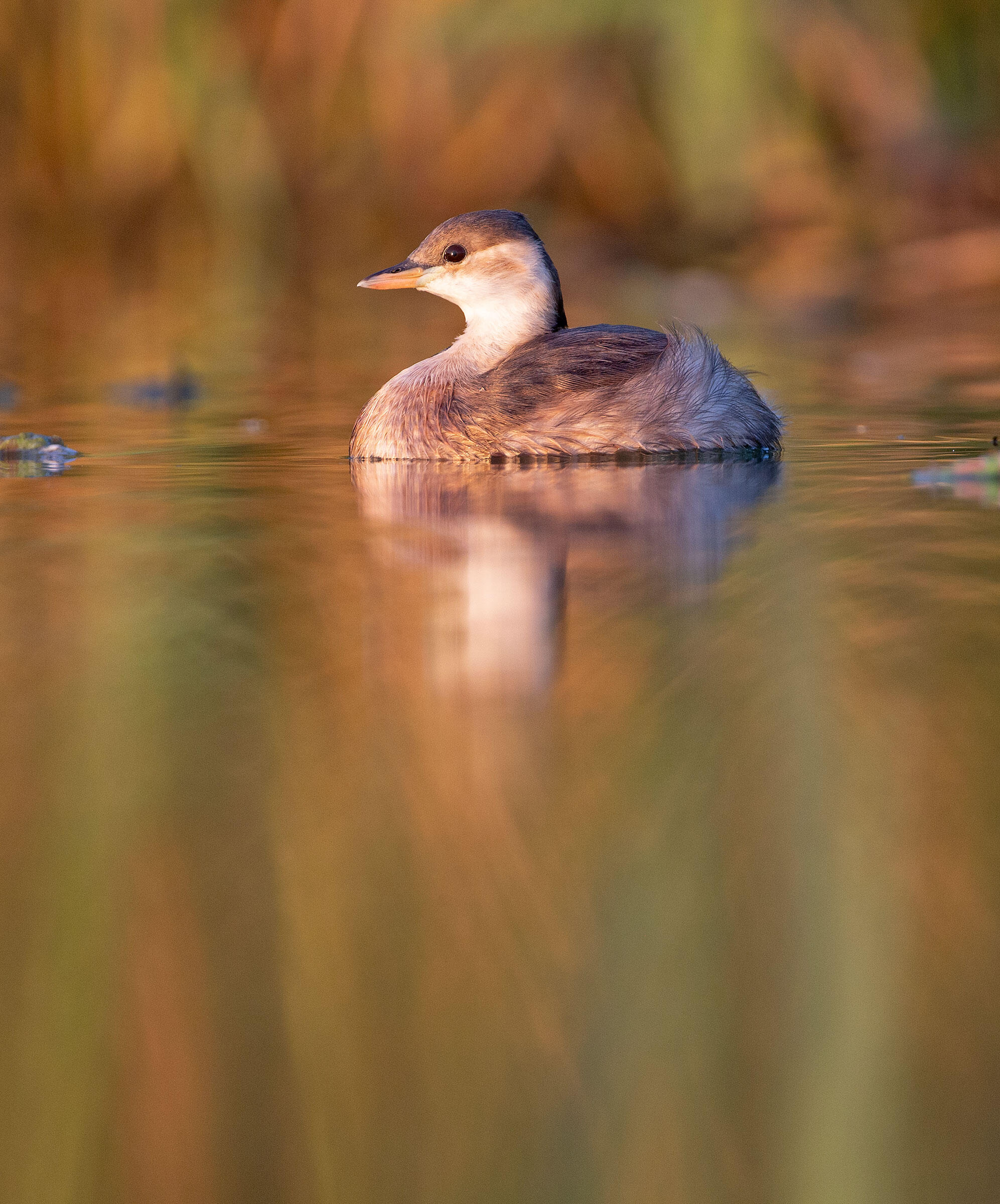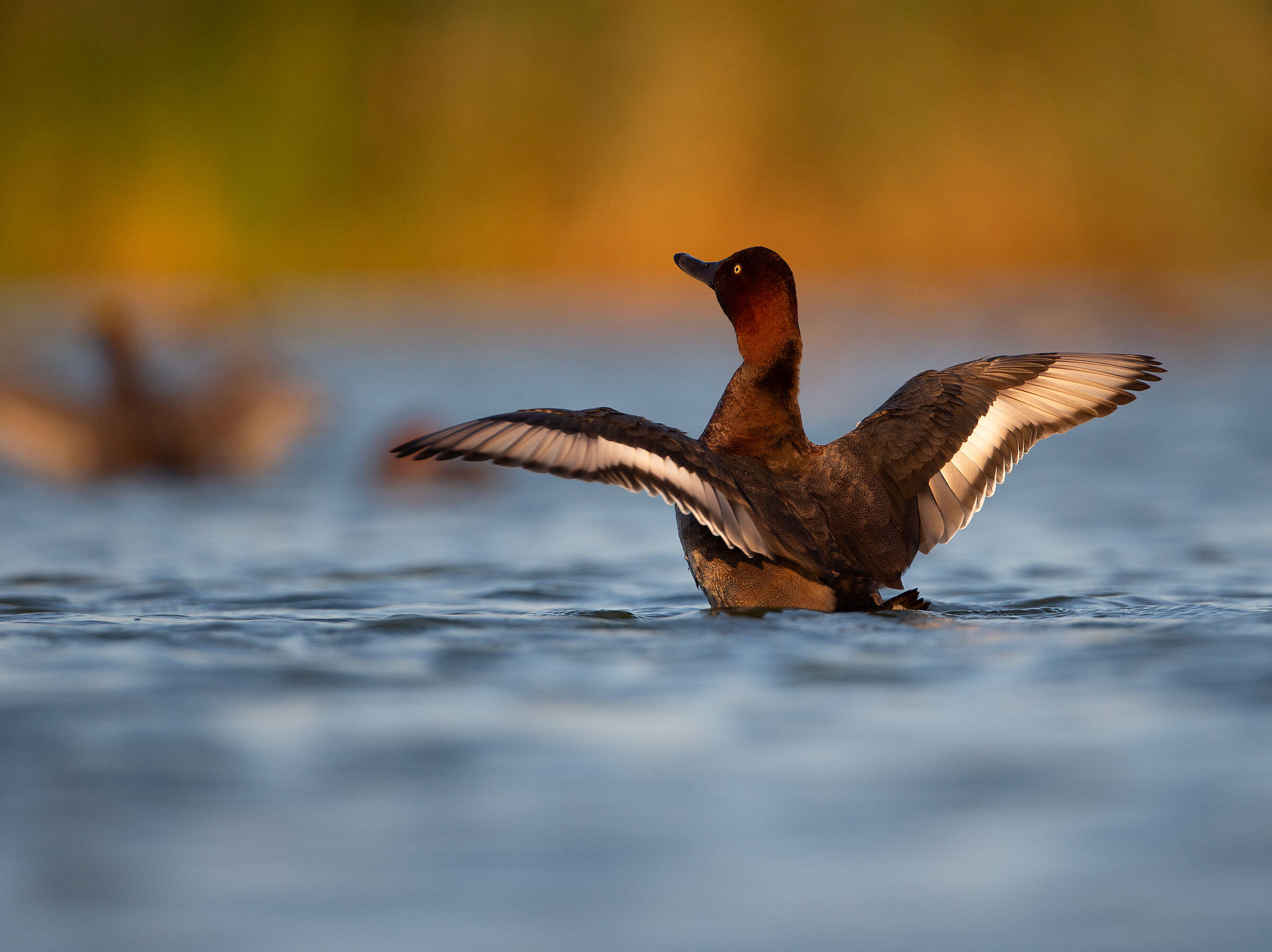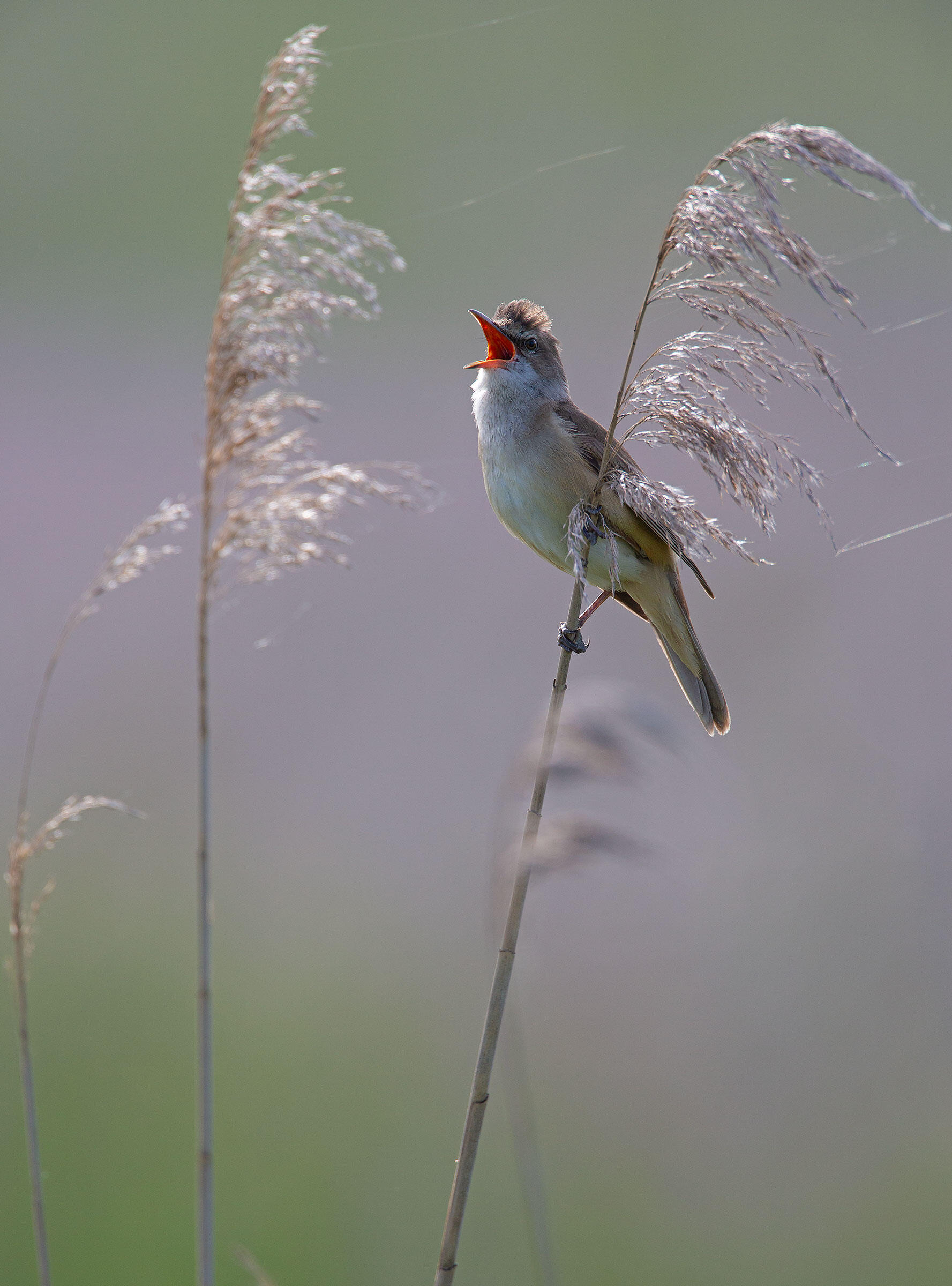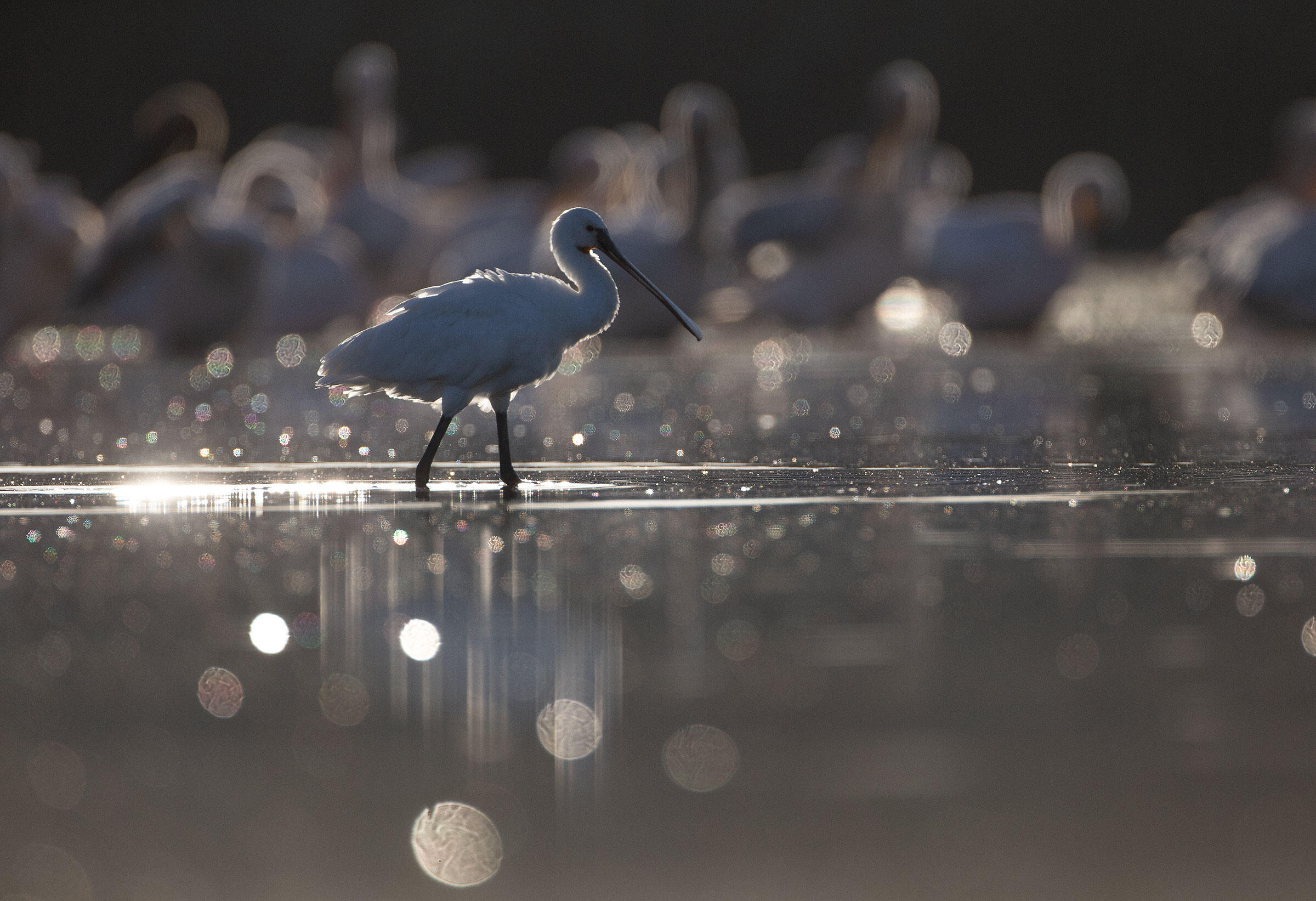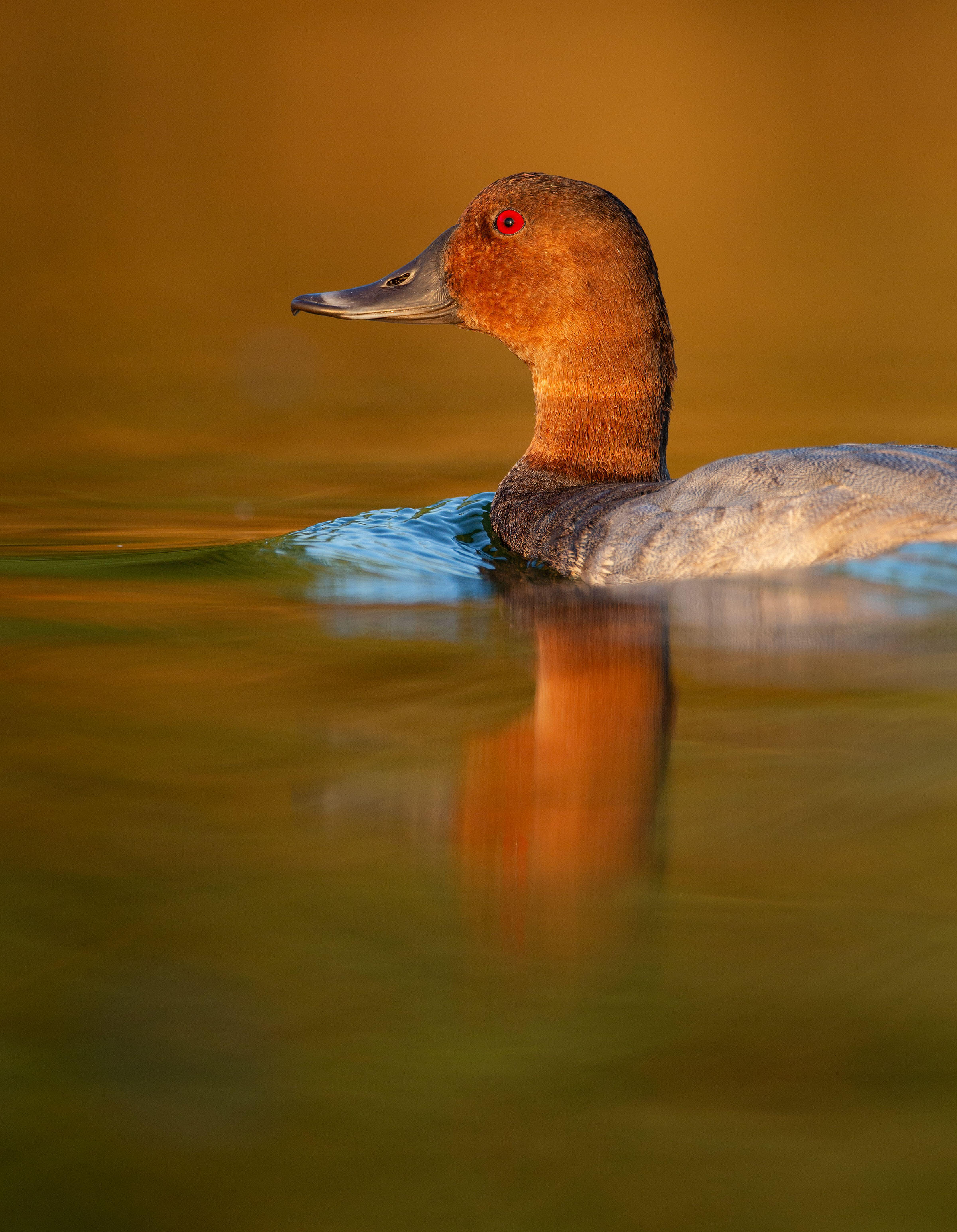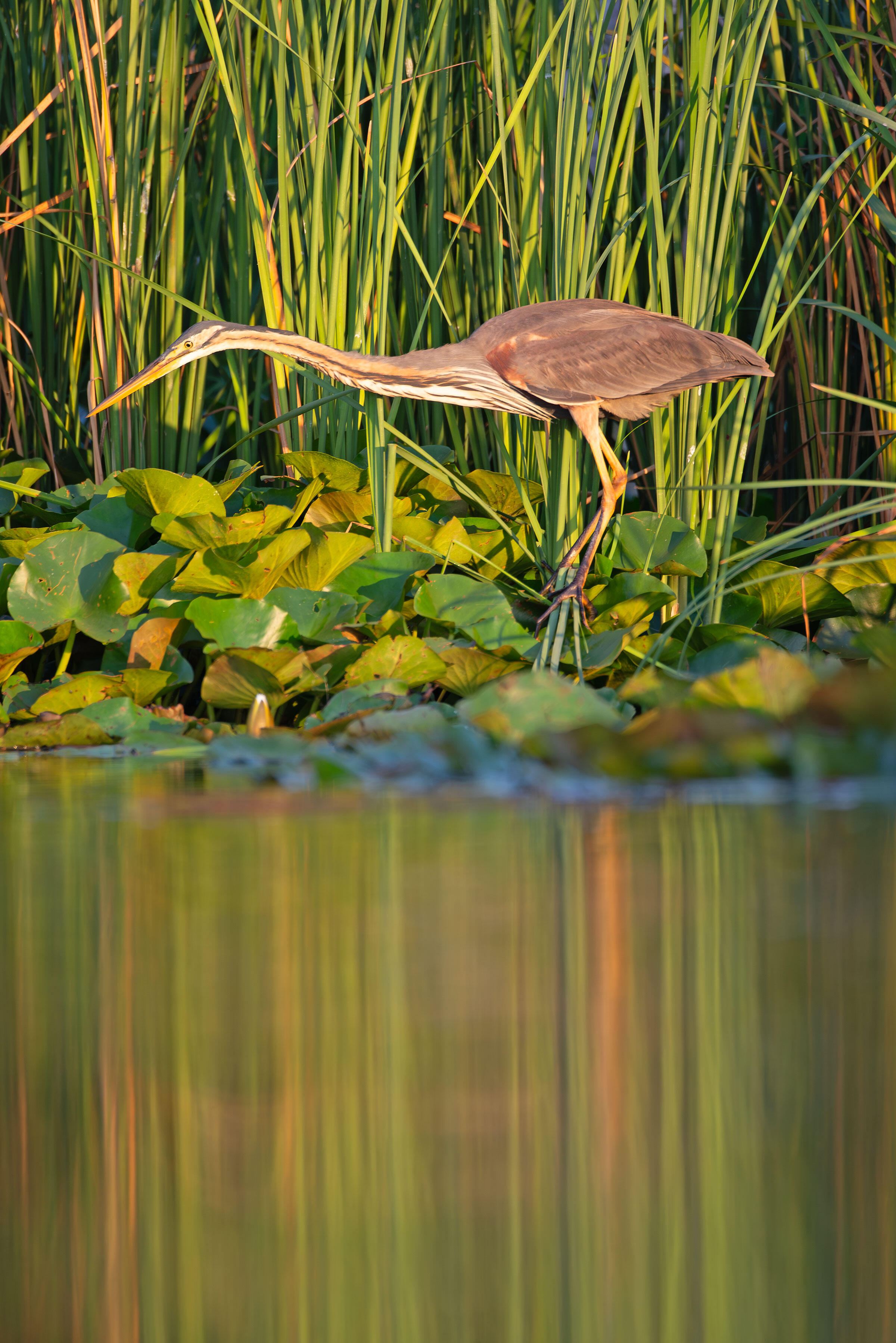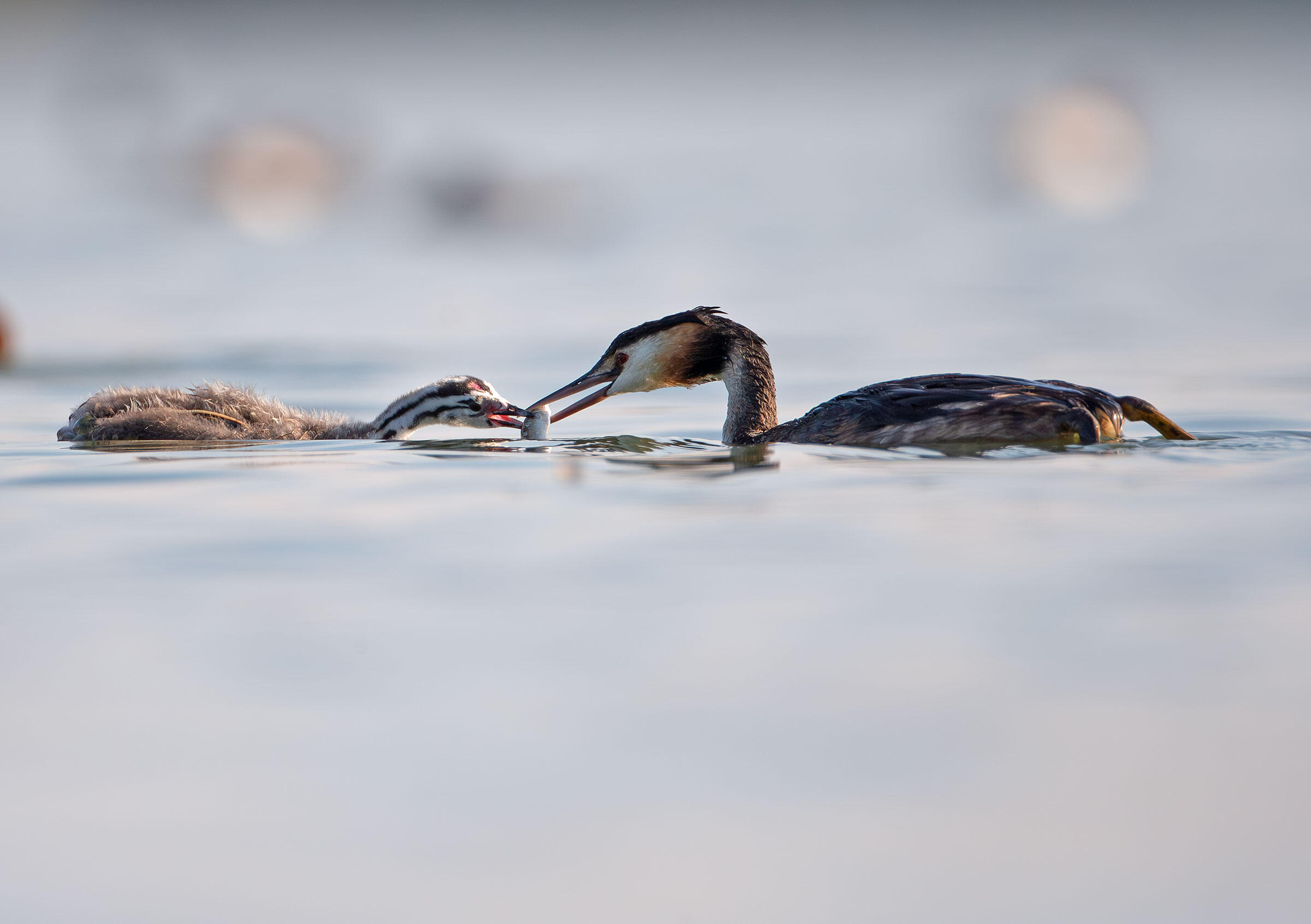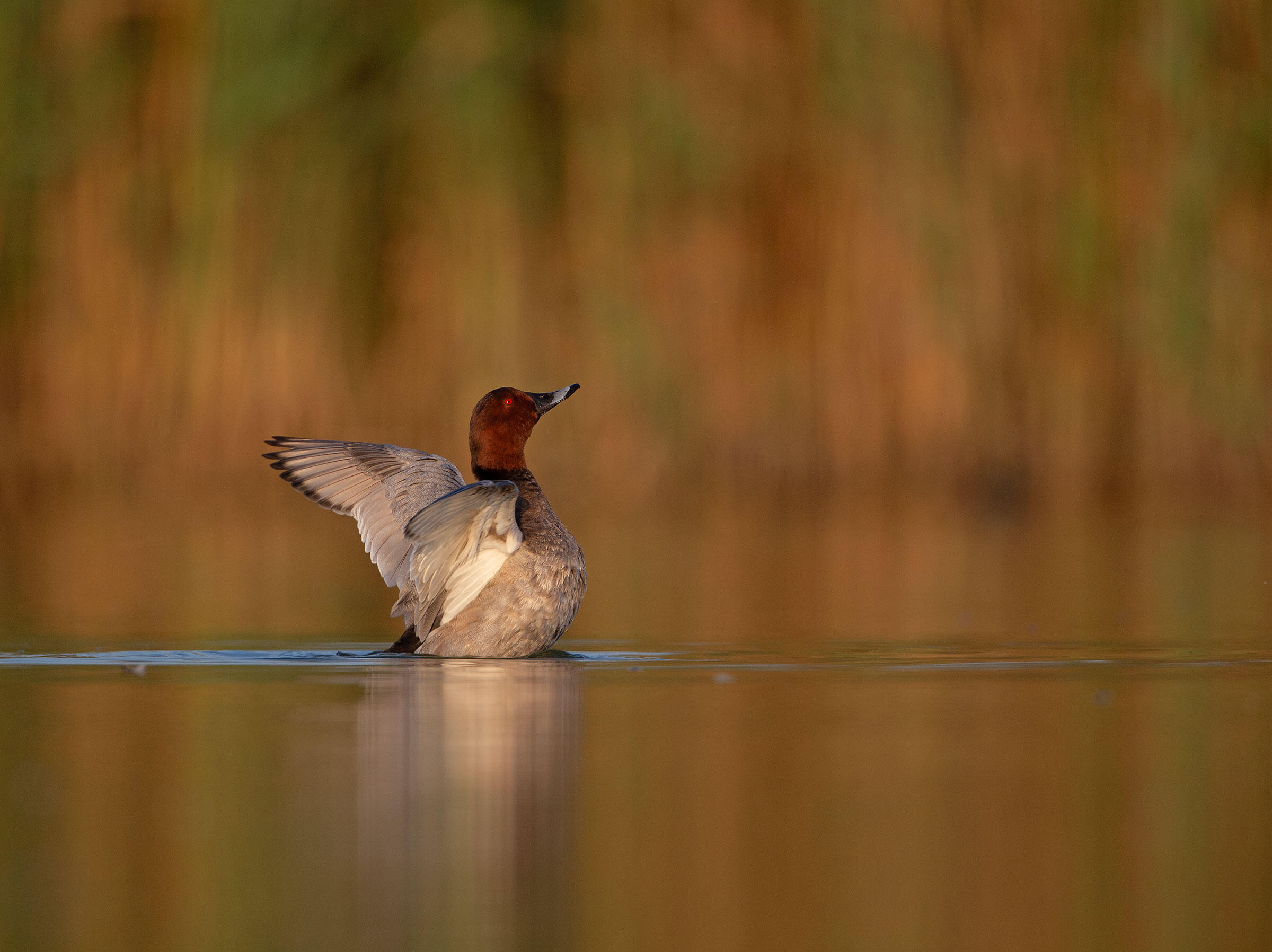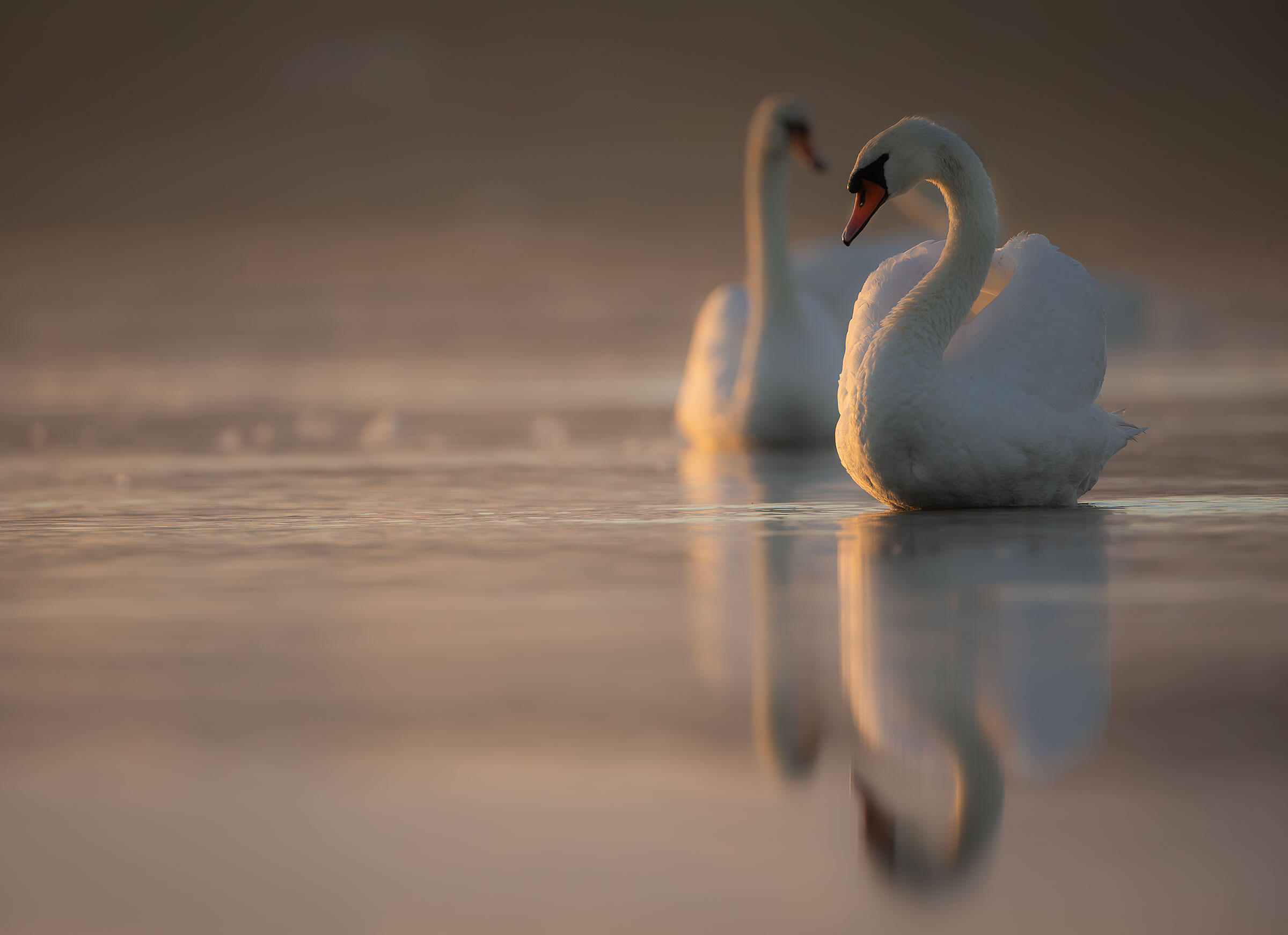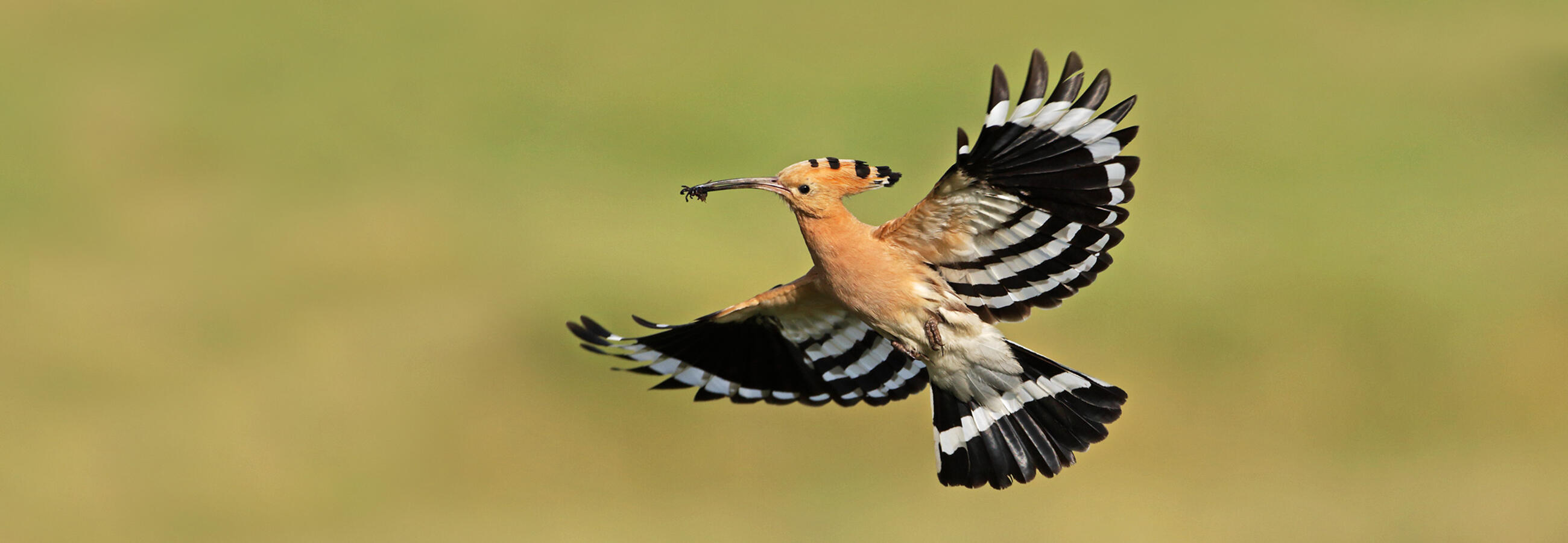
In the spring of 2010 with much excitement we launched our first „ floating hide workshop”. It was a wonderful new undertaking. Among the most often comments we received by the participants were words like: “this has been my best experience ever since I have been doing wildlife photography!”.
And the excitement among the photographers is not exaggerated.
Moving slowly and cautiously with a floating hide, one could get very close to birds and animals at the same time being able to choose the best site considering the direction of sunlight and the background.
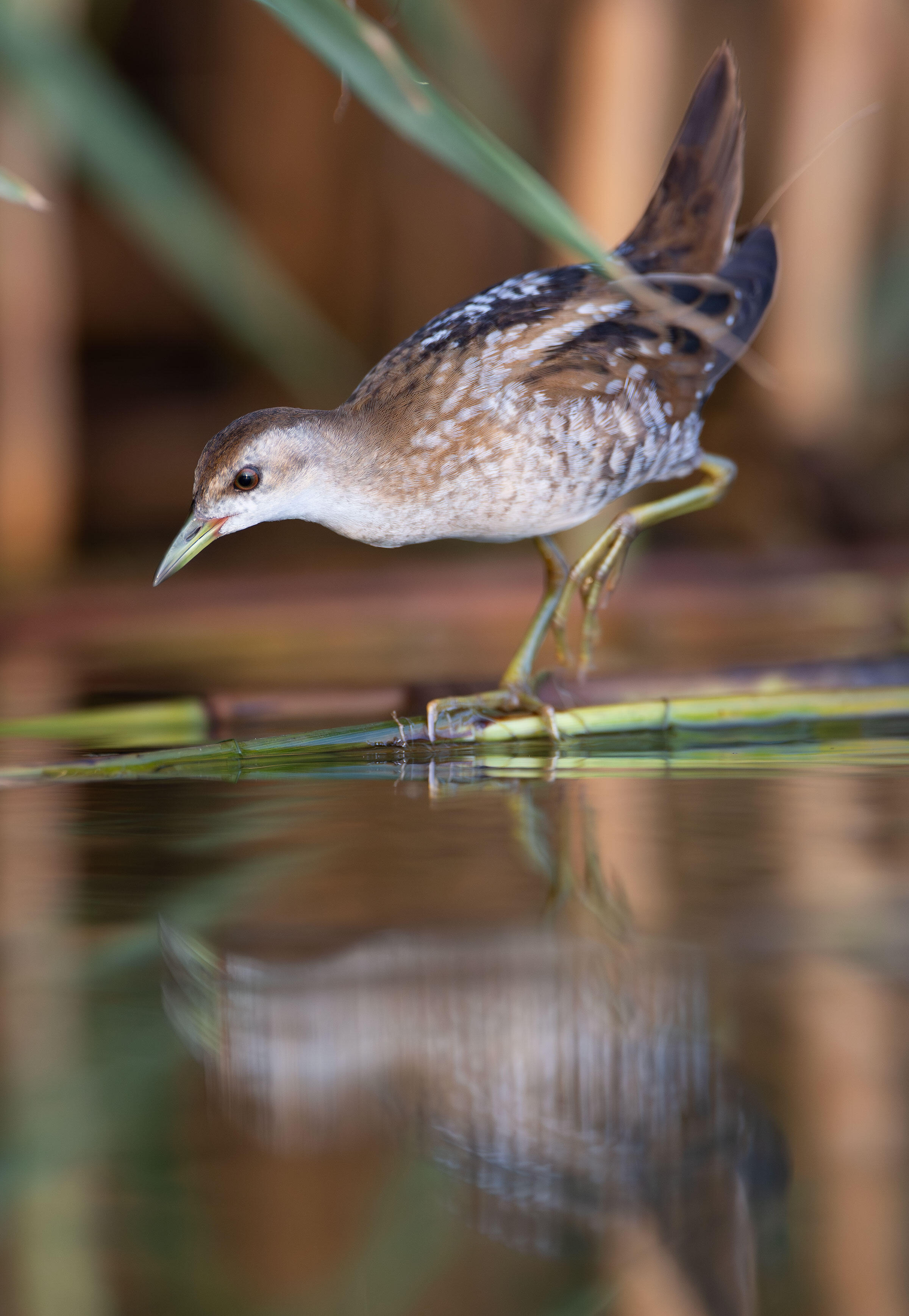
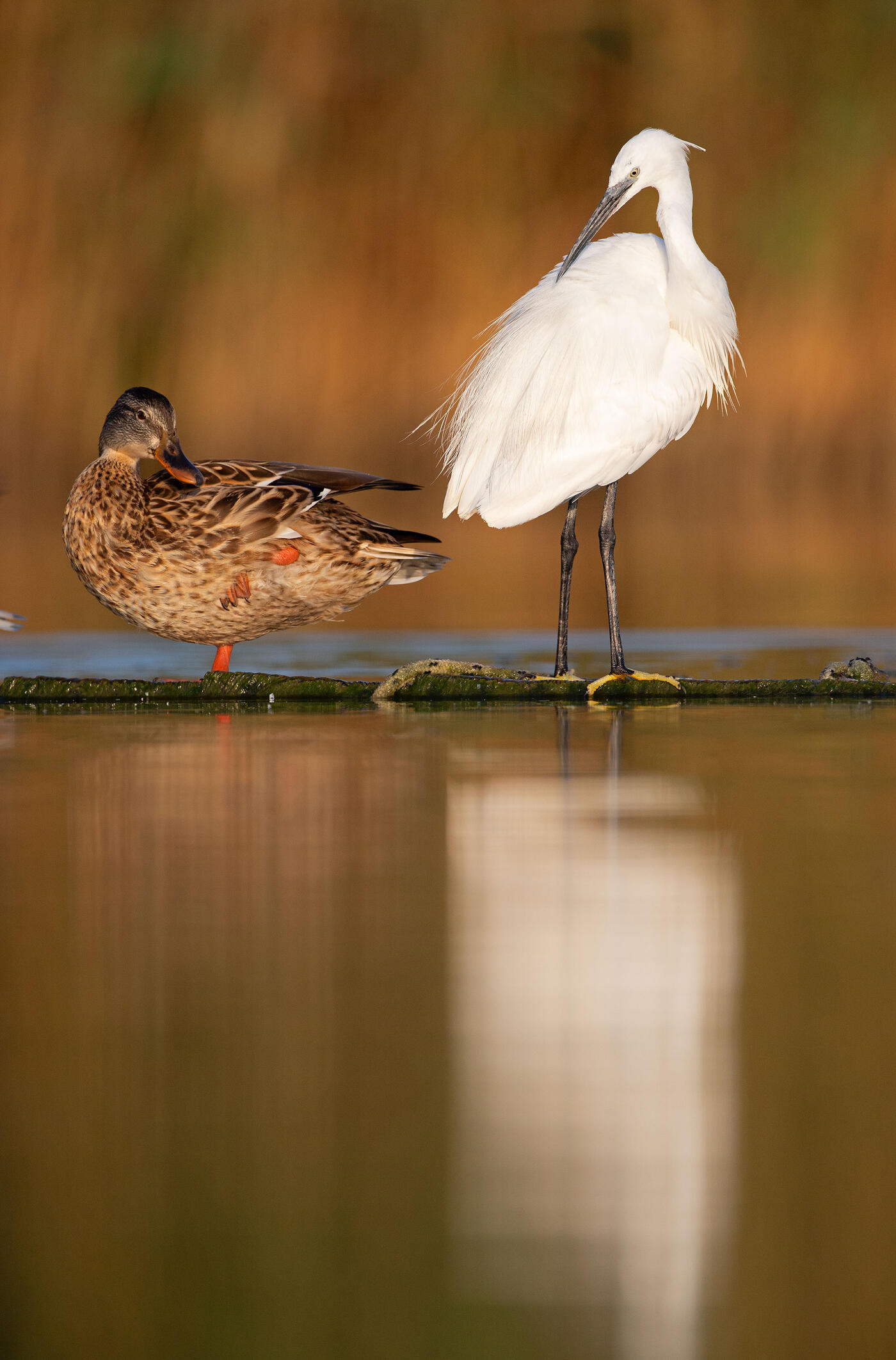
The low positioning of the camera toward the water surface allows for interesting compositions including reflections and all.
Among the main advantages of shooting from a floating hide is the opportunity of being among wildlife without causing any disturbance…if we have the right behavior of course.
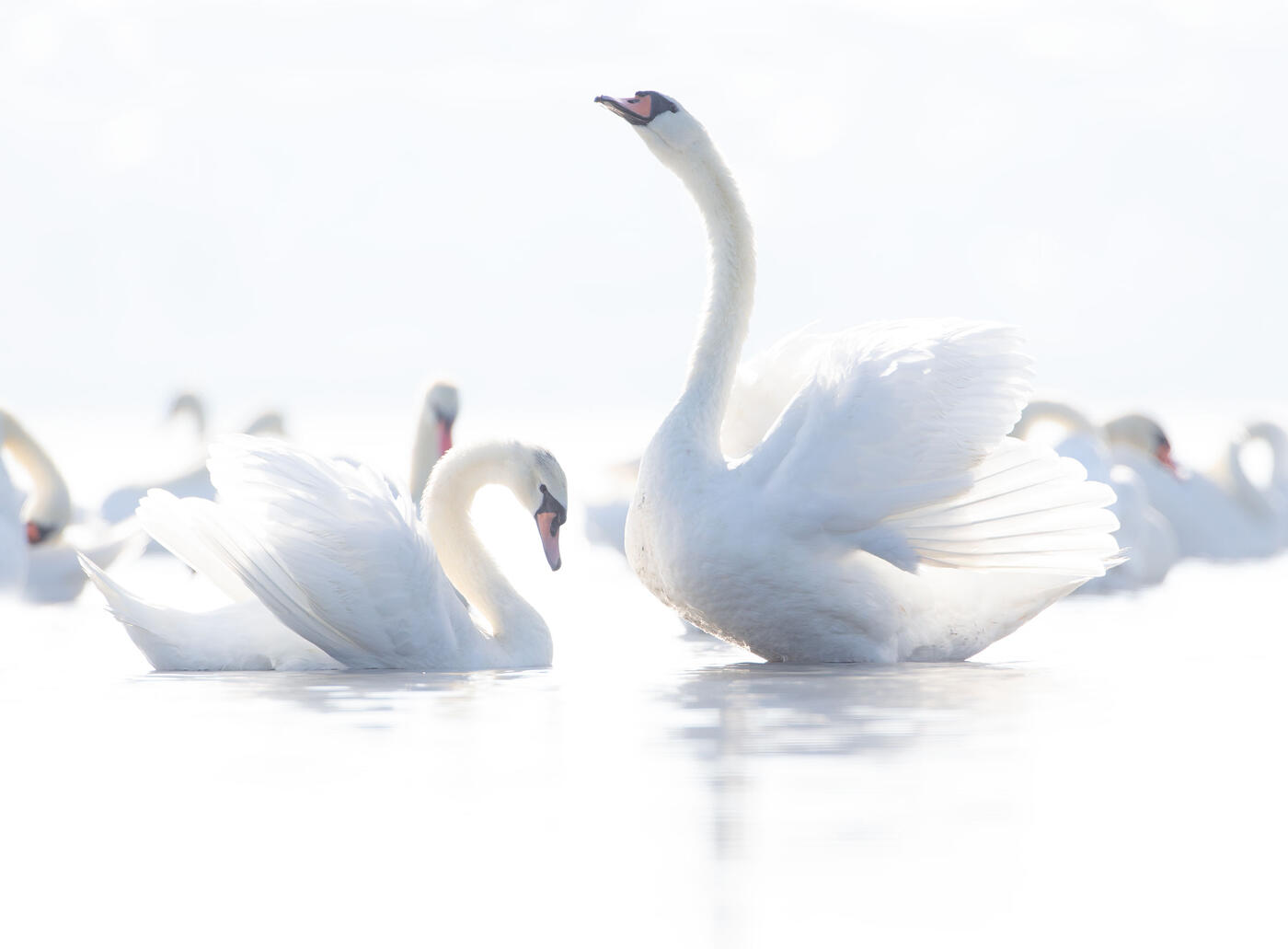
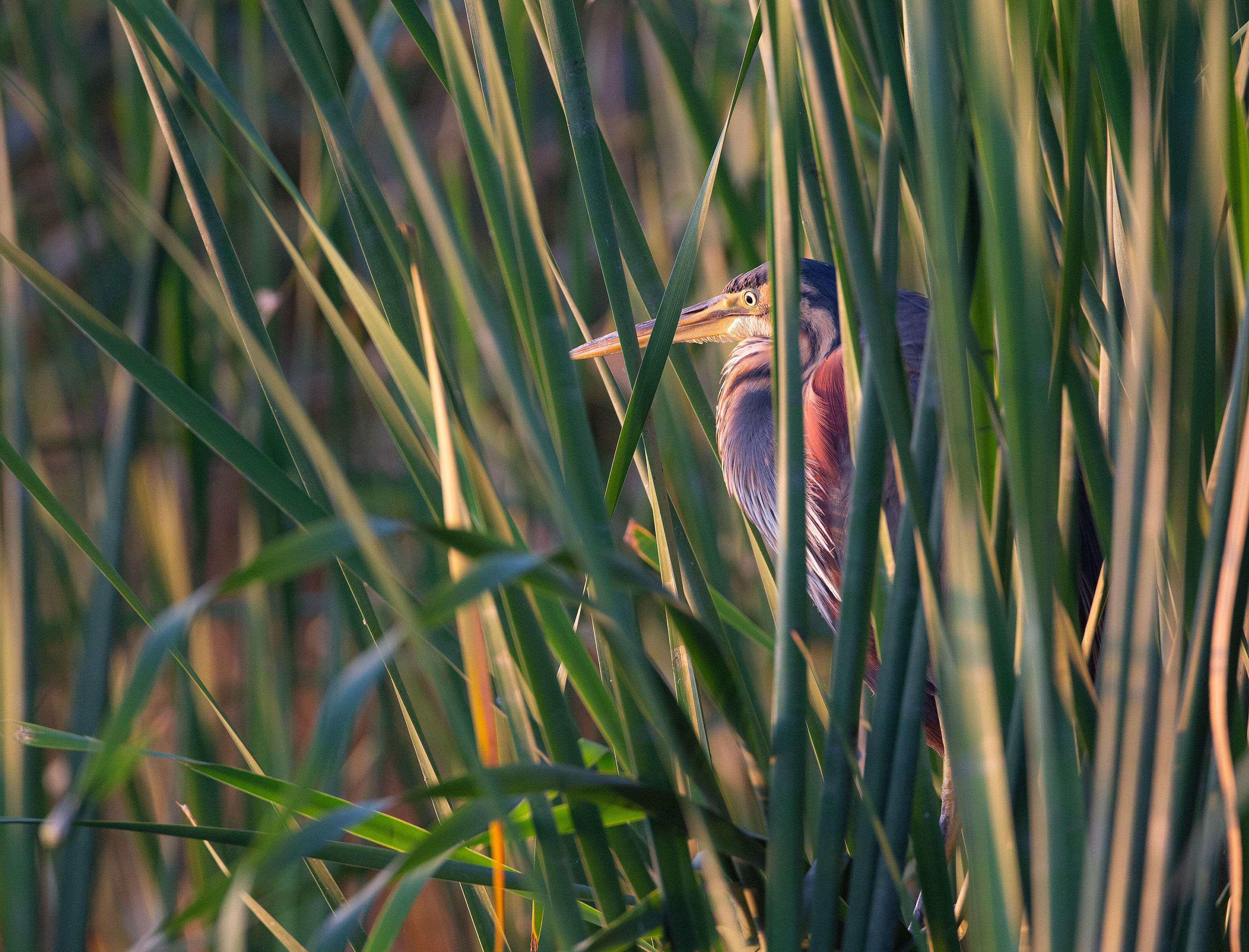
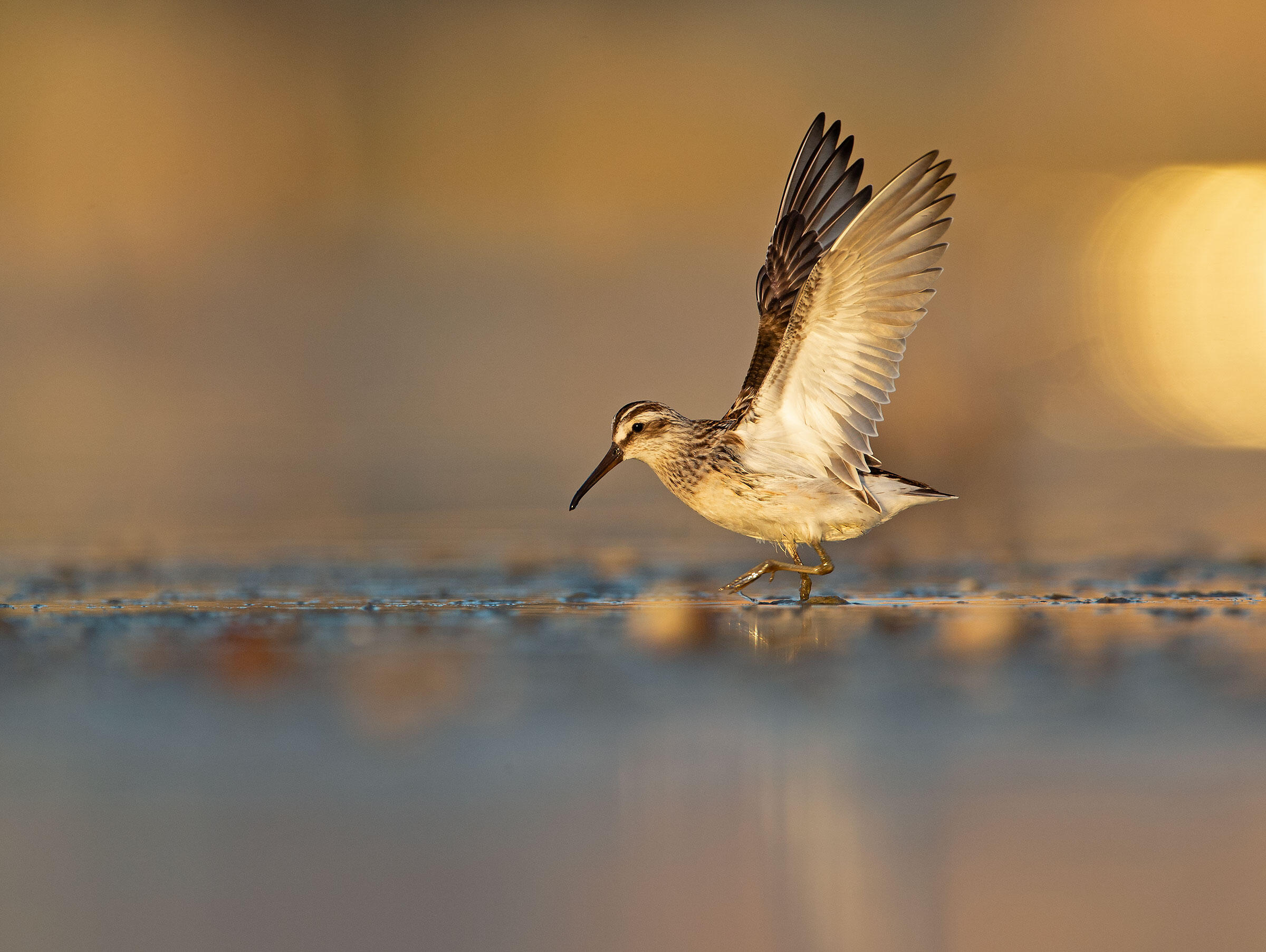
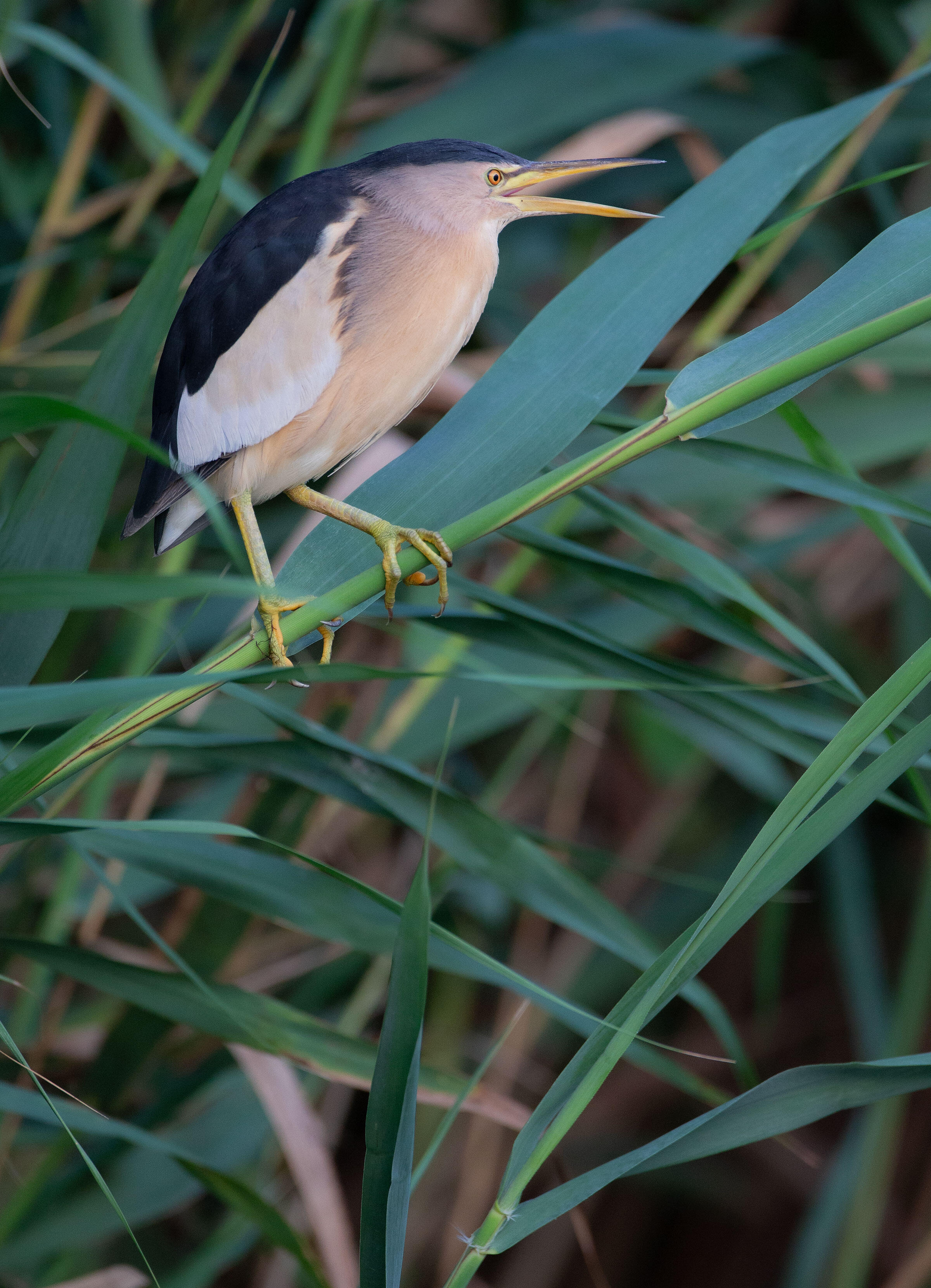
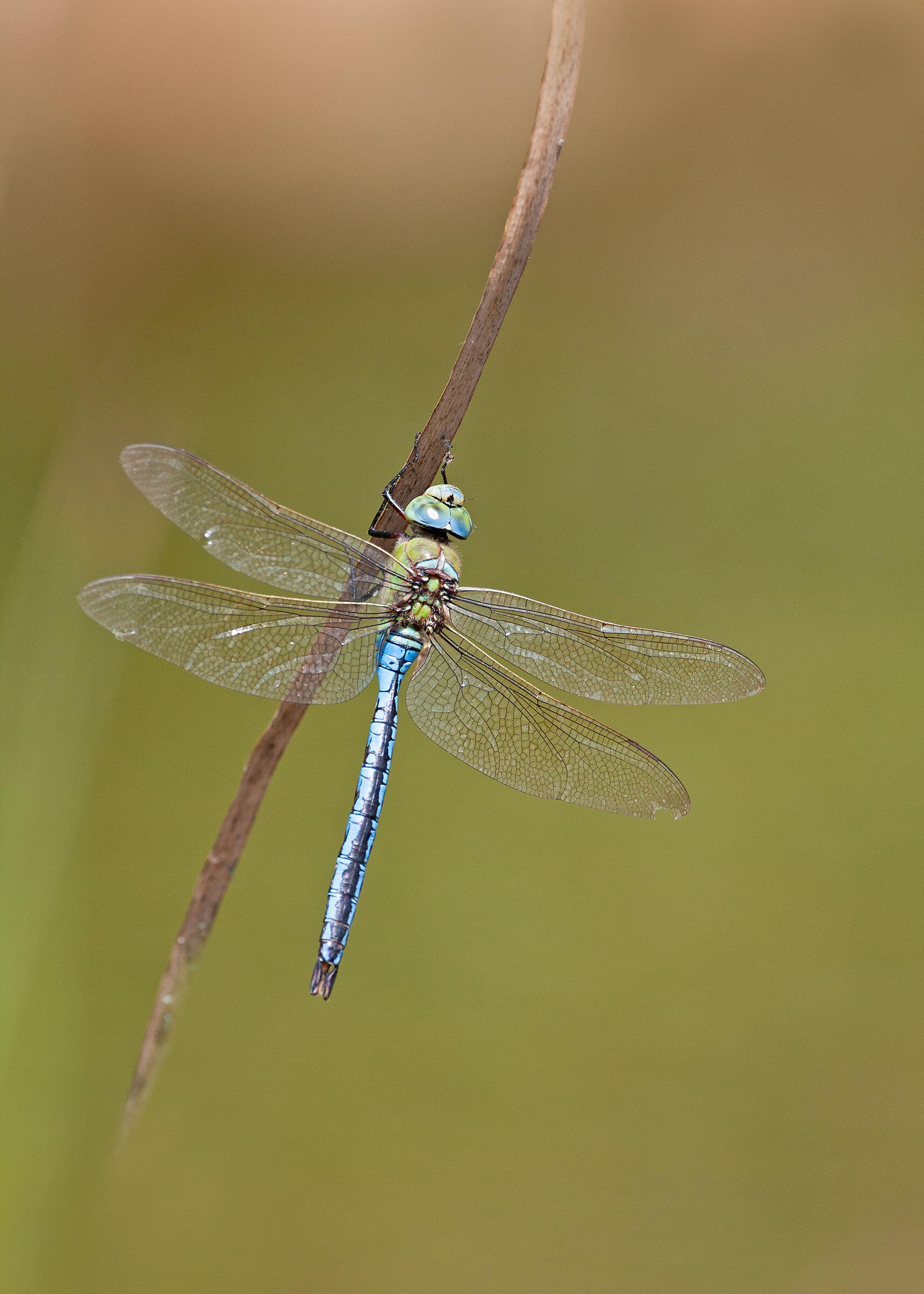
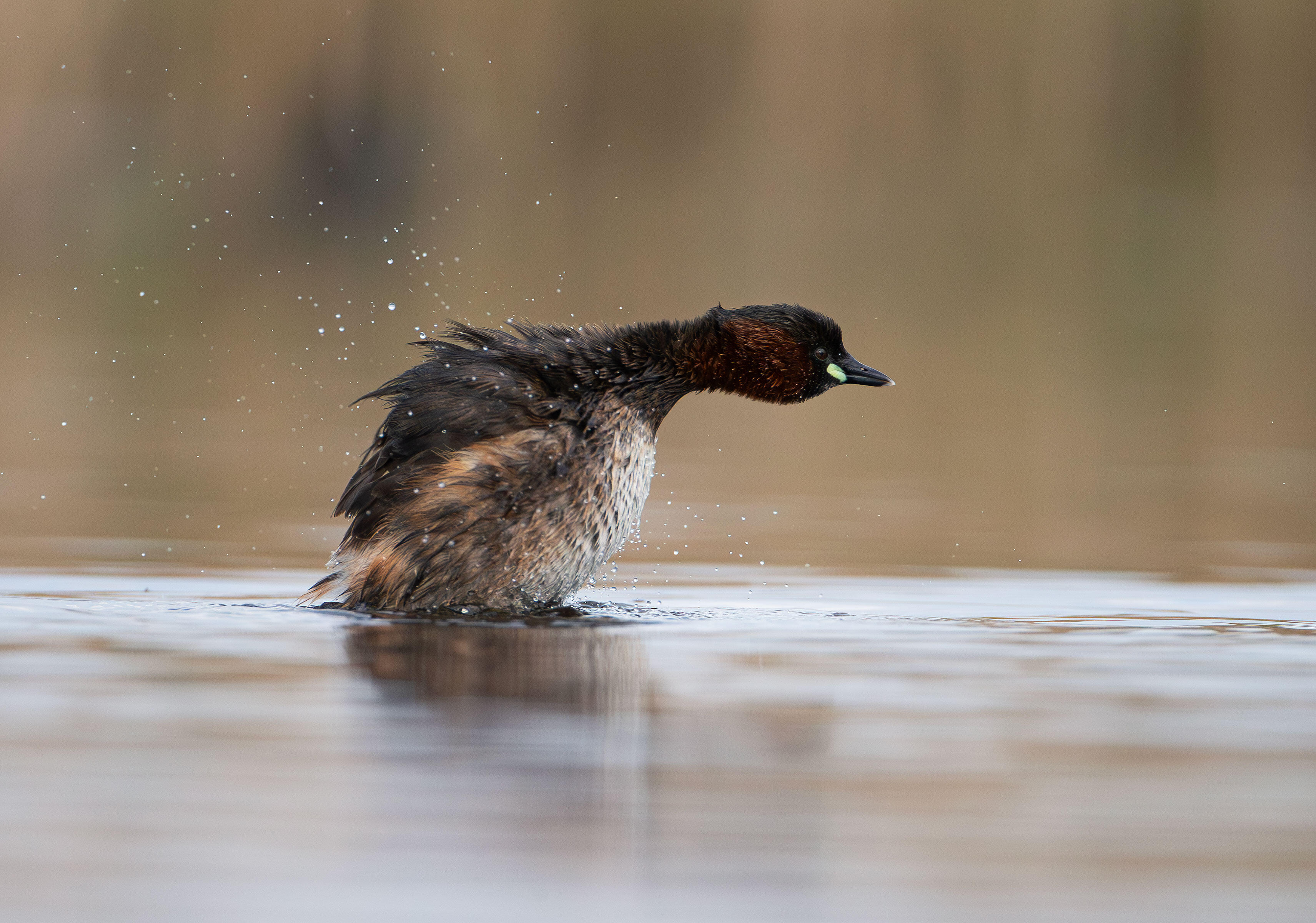
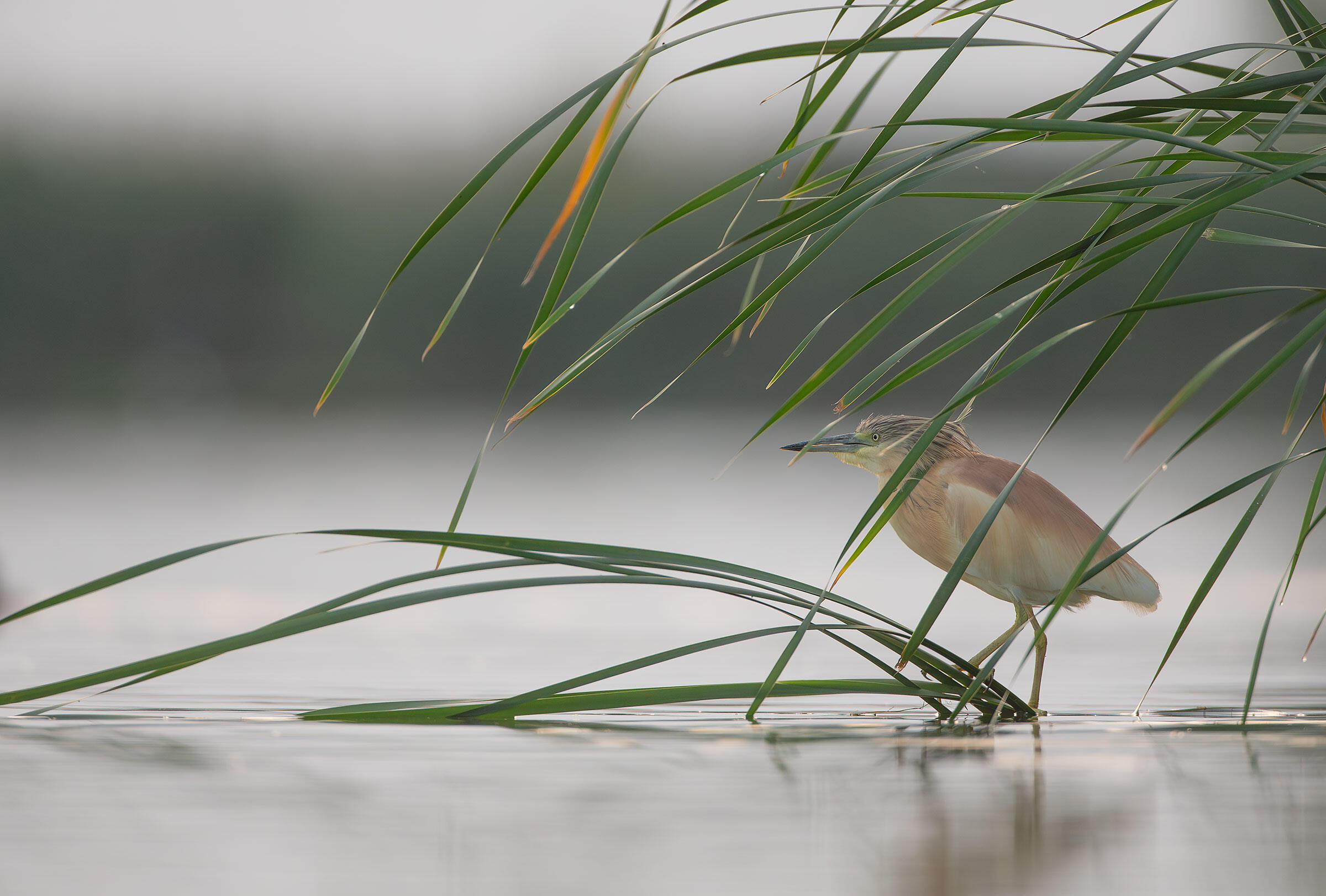
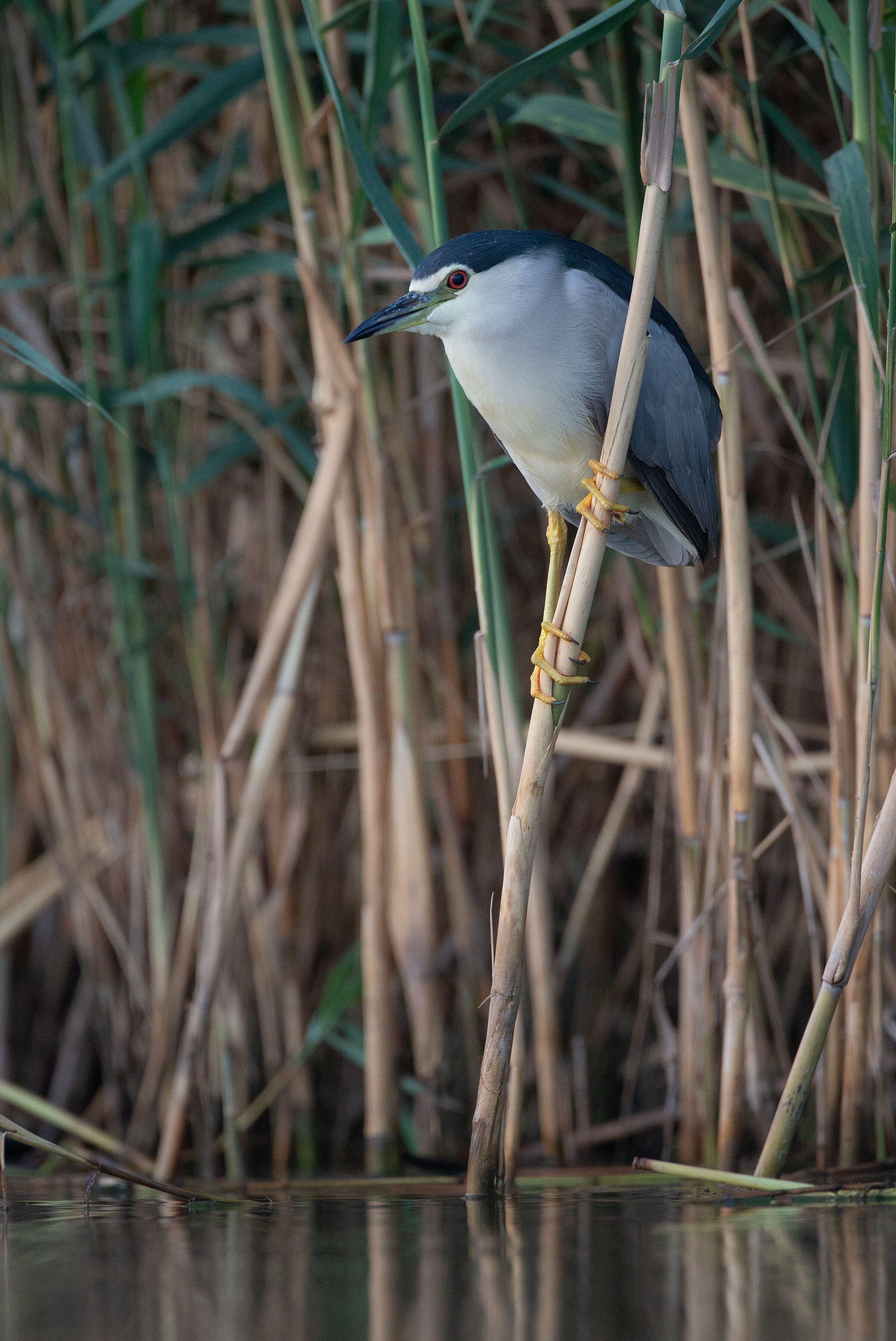
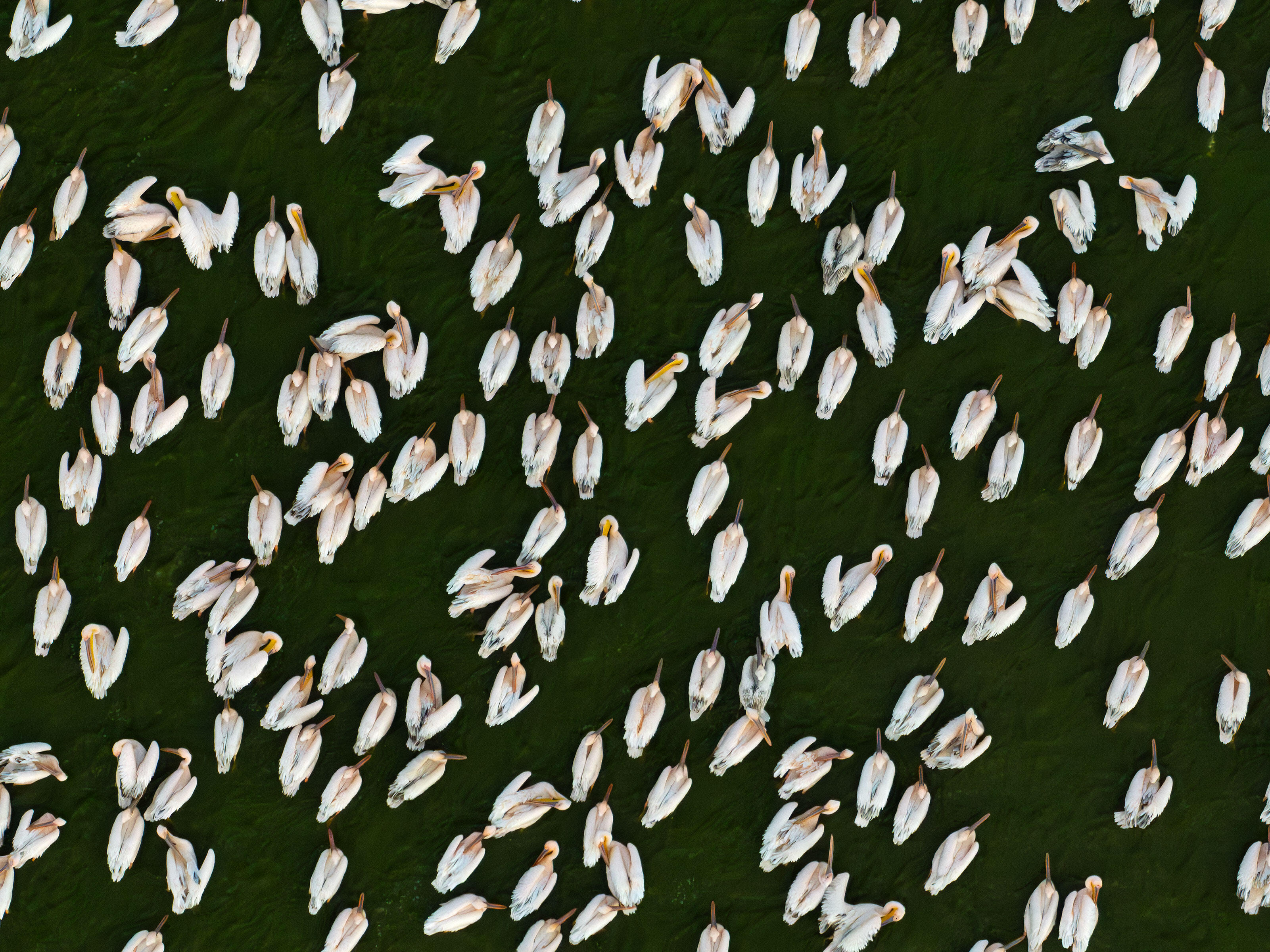
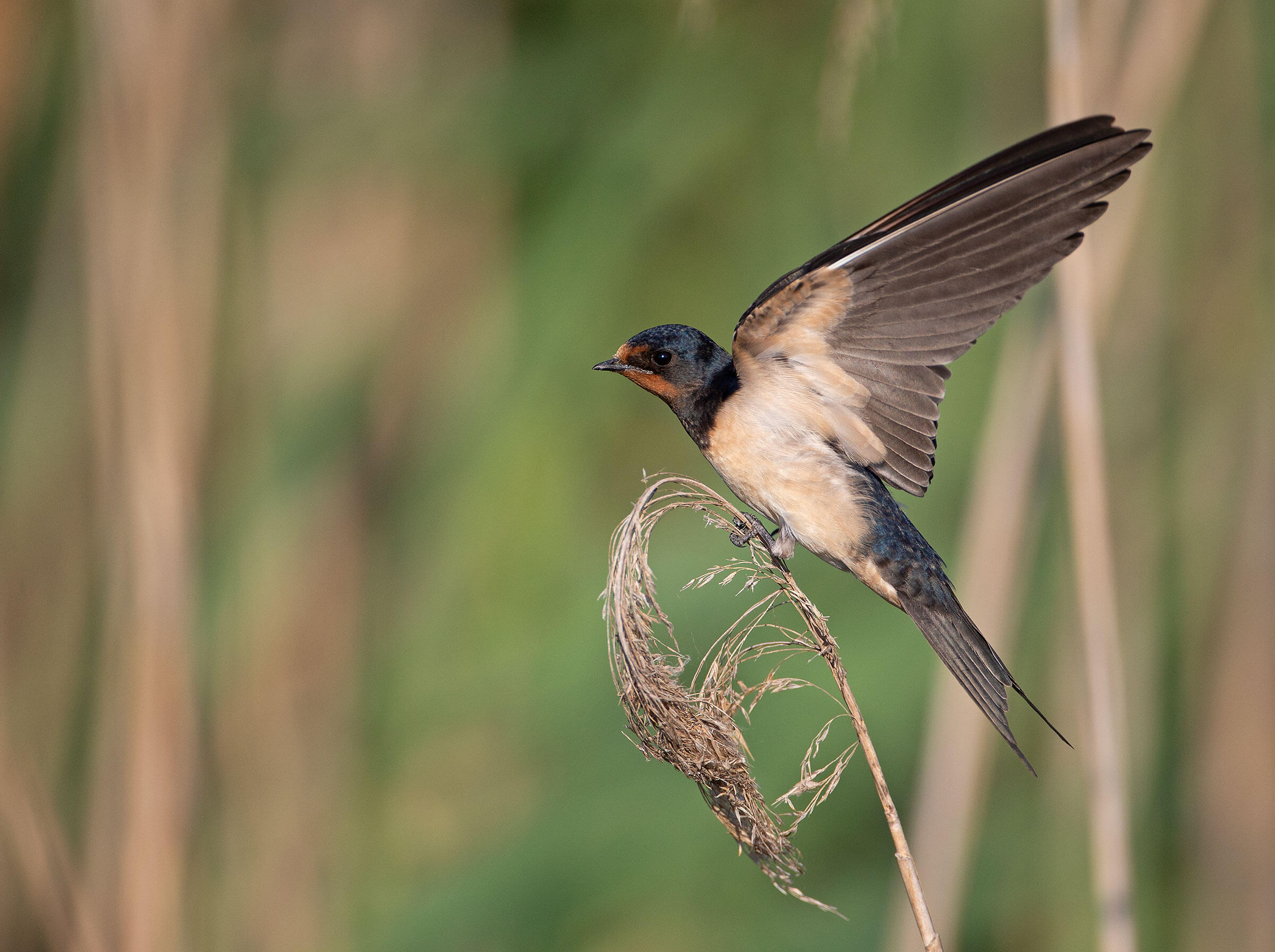
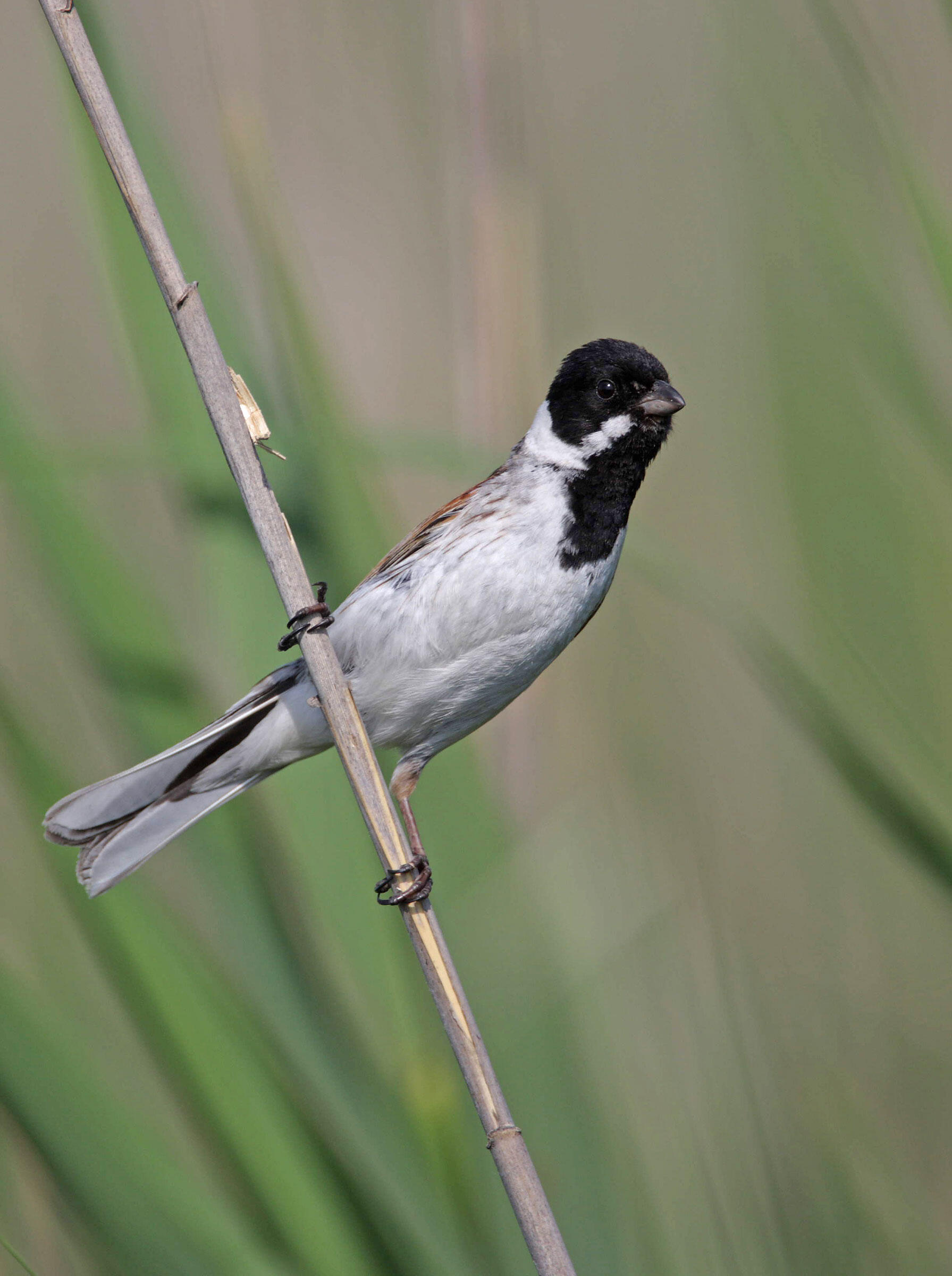
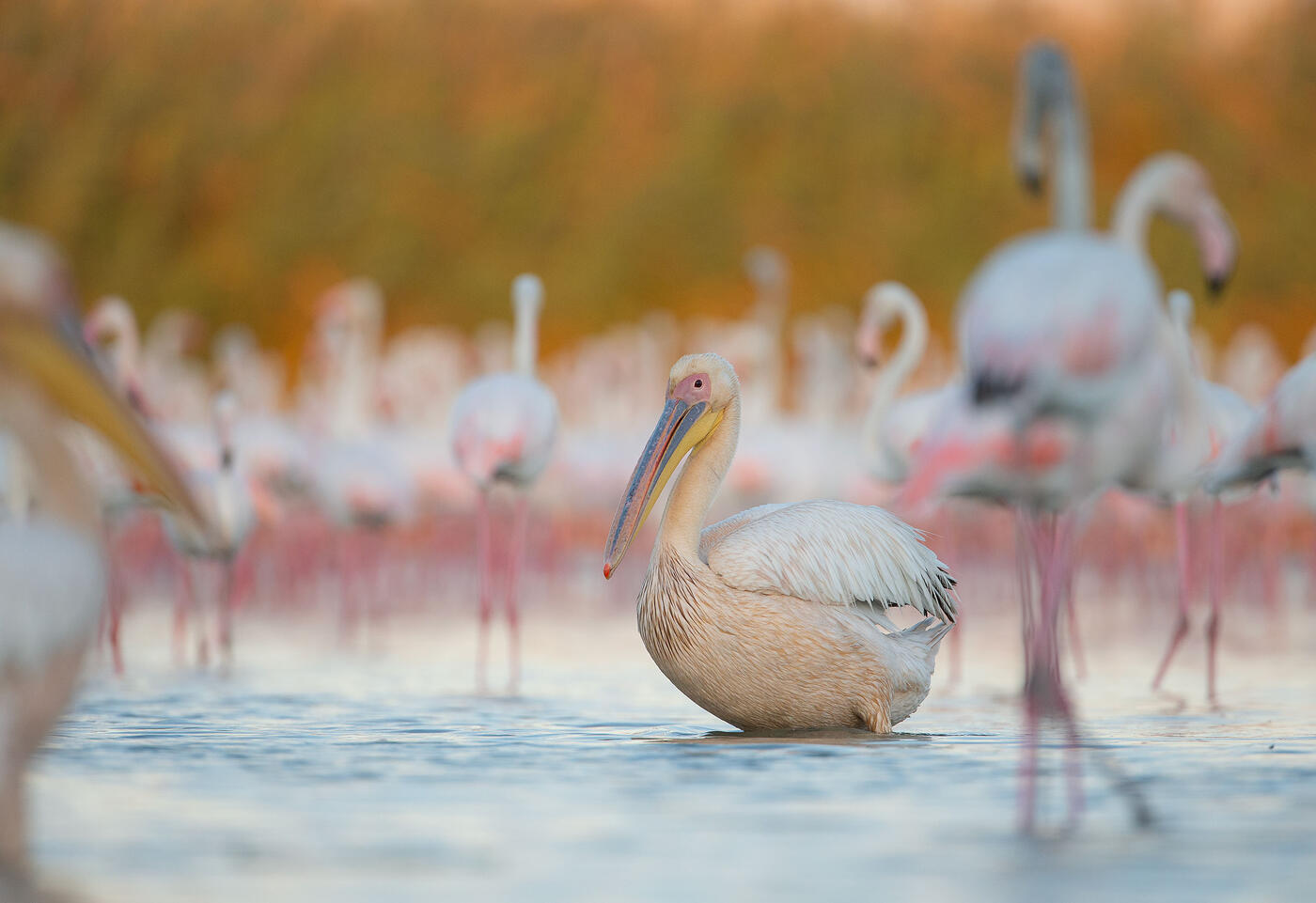
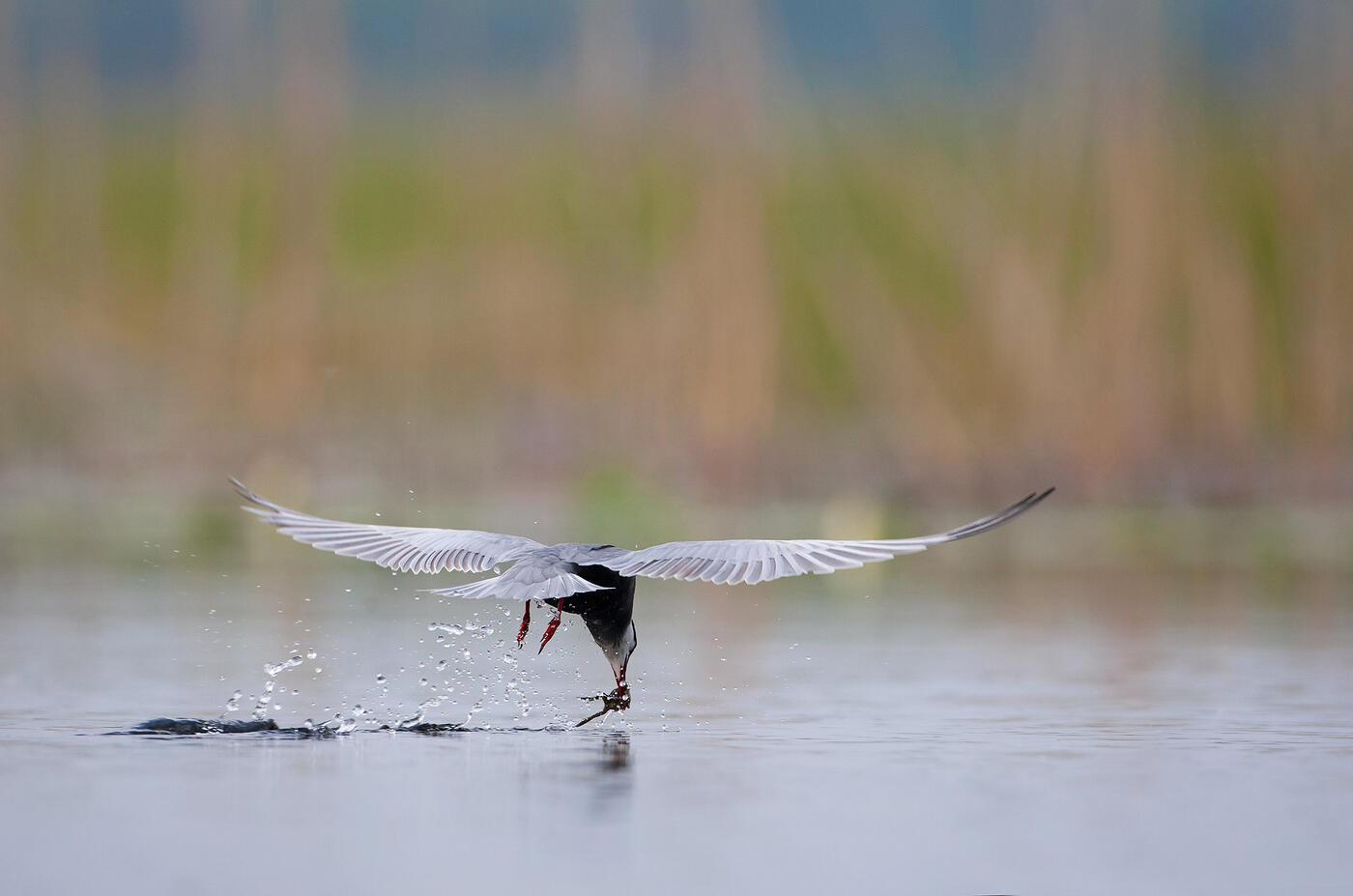
The typical species encountered during this special trip are: Black-necked Grebe, Little Grebe, Great Crested Grebe, Pigmy Cormorant, Little Bittern, Night Heron, Squacco Heron, Ducks, Waders, Black and Whiskered terns and other birds living near the reed beds like wagtails, warblers, martins, waders… With more patience and luck some mammals such as Otter and Water Vole can also be photographed.
The Sites
Over 15th years ago we use to work mainly along the Danube and Maritsa River, but this places
are characterized by significant dynamics of their water level and seasonal activity of their inhabitants – practically this are places with unpredictable conditions.
Because of that we stopped our activities for 3 years.
And after long search we are happy to announce our new place ,,Via Pontica Private Reserve’’
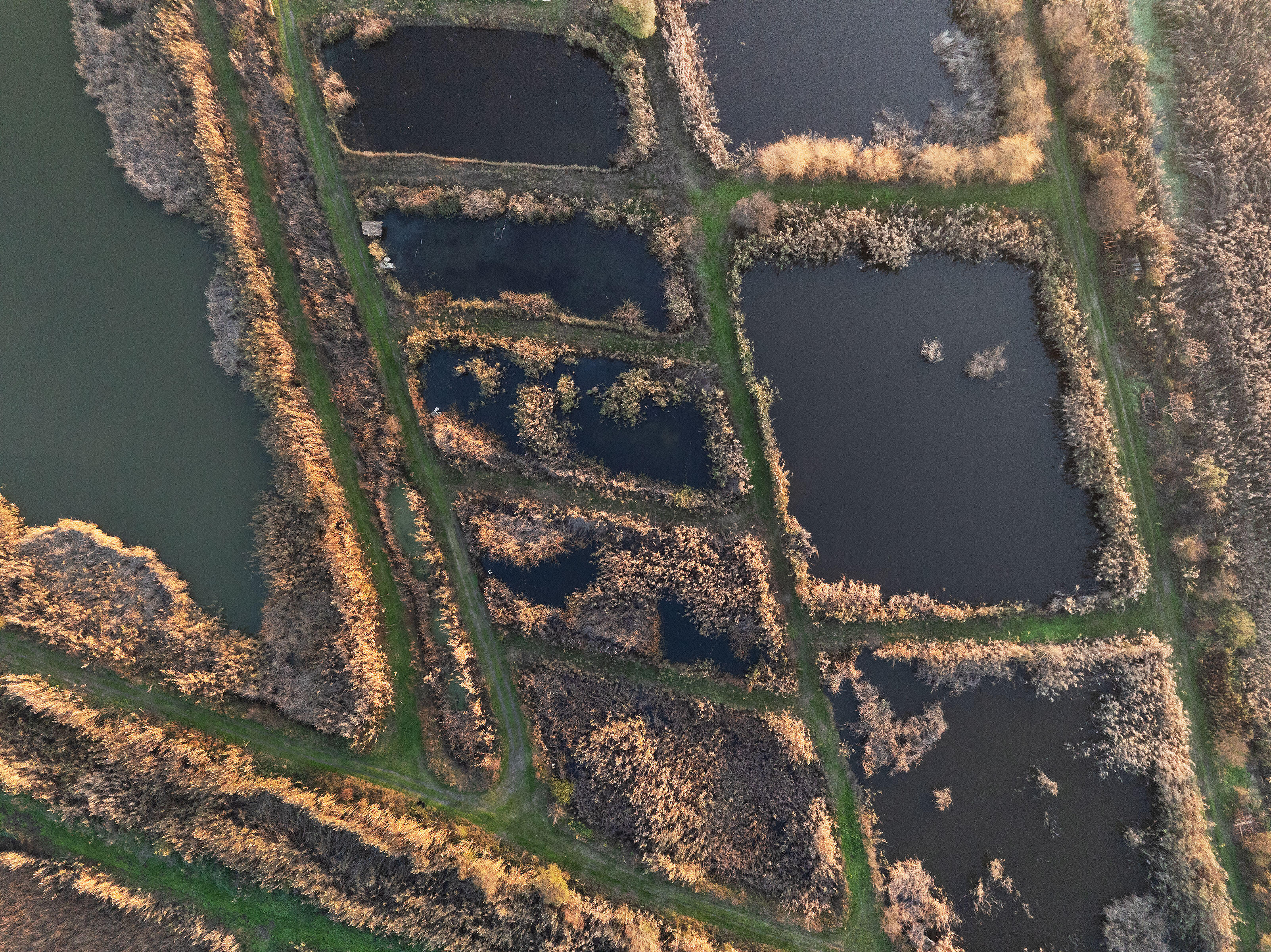
Practically the site is part of Lake Vaya - the largest natural lake in Bulgaria - right on the way of second largest bird migration rout in Europe!
The reserve is just 30 min drive from Burgas Internations Airport.
And even more important – the wetlands are protected from human disturbance and the animals are more safe and relax.
They are about 15 different basins and most of them are with stable flat bottom and controlled water level between 40 and 120cm – just perfect for our work.
Typical Itinerary
Before to let you to go in the water you will receive detailed instruction – how to enter the water, how to behave, how to use your equipment.
The quiet sunny mornings are most favored, trying to be among the birds at dusk already ( about 5.30AM) .
Our hides are equipped with plastic boxes suited to safely store equipment, phones, batteries, and other personal belongings. The front platform is also fitted with a convenient screw ( 3/8” -16) allowing for safe mounting of tripod head with attached long lens+camera.
Usually morning session is over about 9-10AM, when the light get too intensive, the photographers are tired and the birds less active.
Afternoon session normally starts after 16.30 PM and furnish around 20.30PM
It is important to mention that the area offer several fix ( non floated hides) and in some situations they will be good choice as well.
The area around Burgas is surrounded by fresh and salty lakes, so several other spots also can bring photo success.
Notes
Photo Equipment: long lenses from 300mm or longer. Tripod head. Binocular can be helpful. Lots of memory cards and batteries.
Waders and clothing. It is recommended to bring your own chest waders or neoprene suite ( between 5 and 3 mm) We can also supply chest waders. They can be used or we can buy new for you.
You can use neoprene clothes or dry suite as well.
This is a tailor-made trip. All details about equipment, logistics and prices will be additionally clarified. For dates and detales, please contact us.